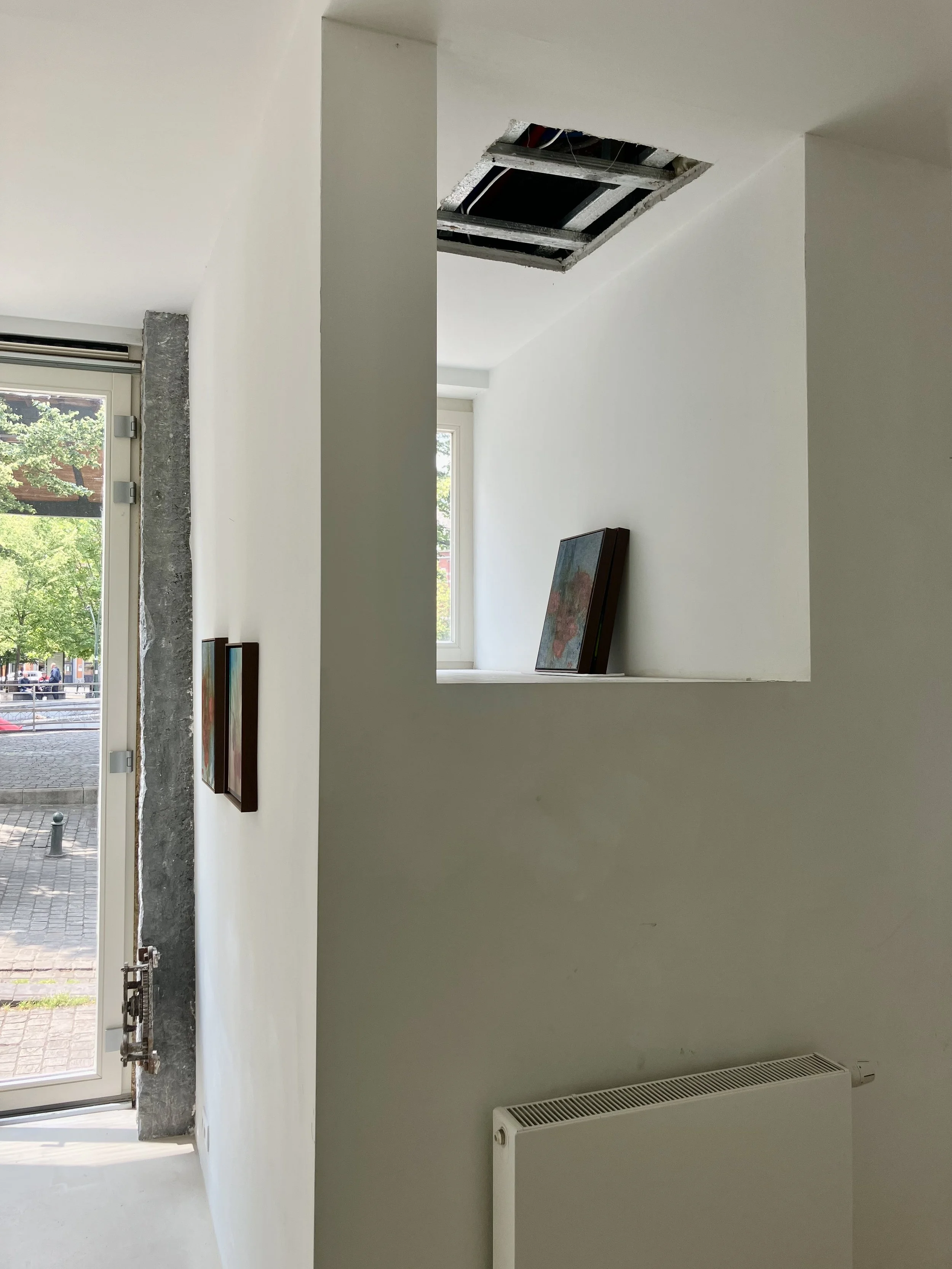
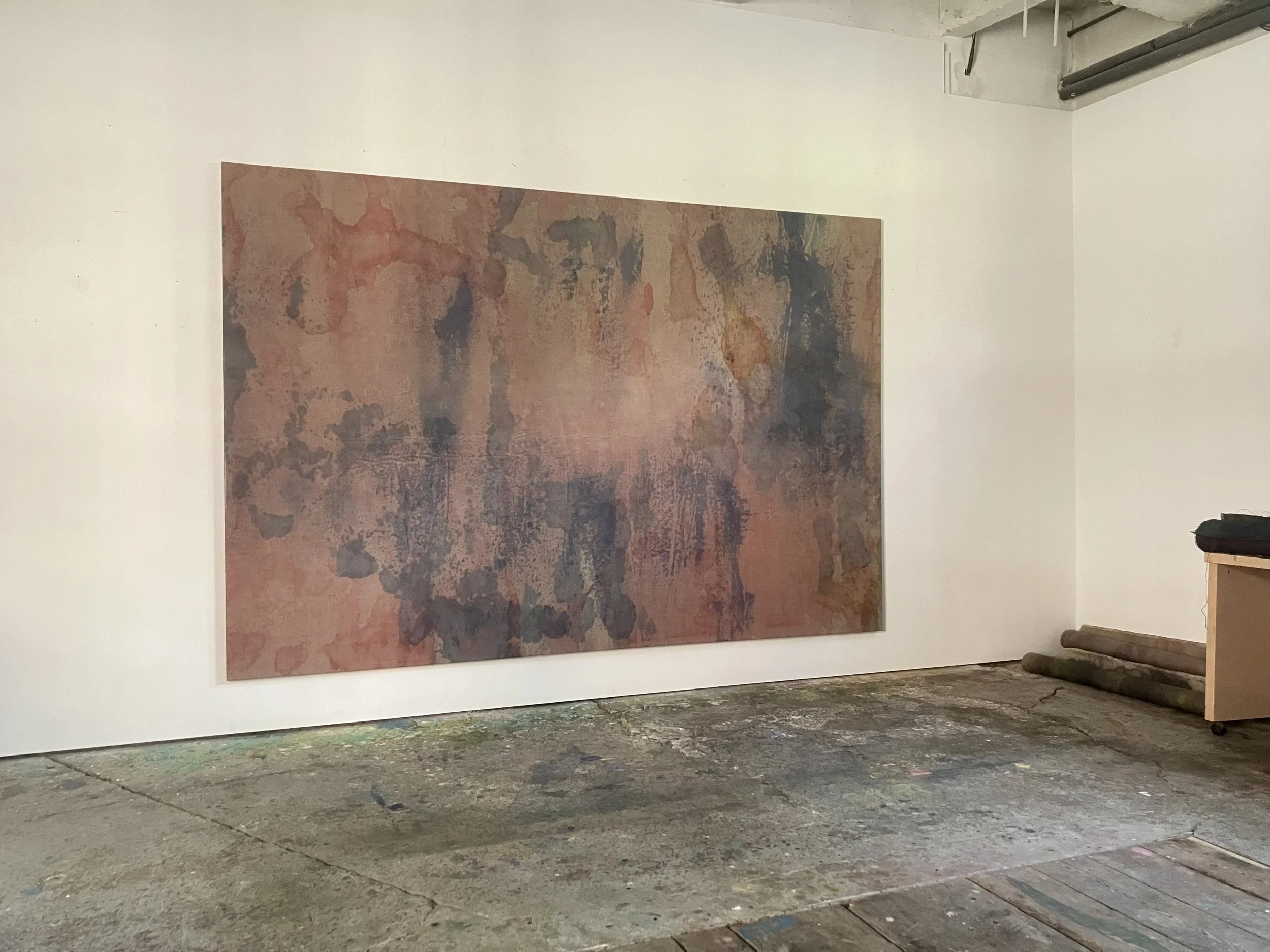
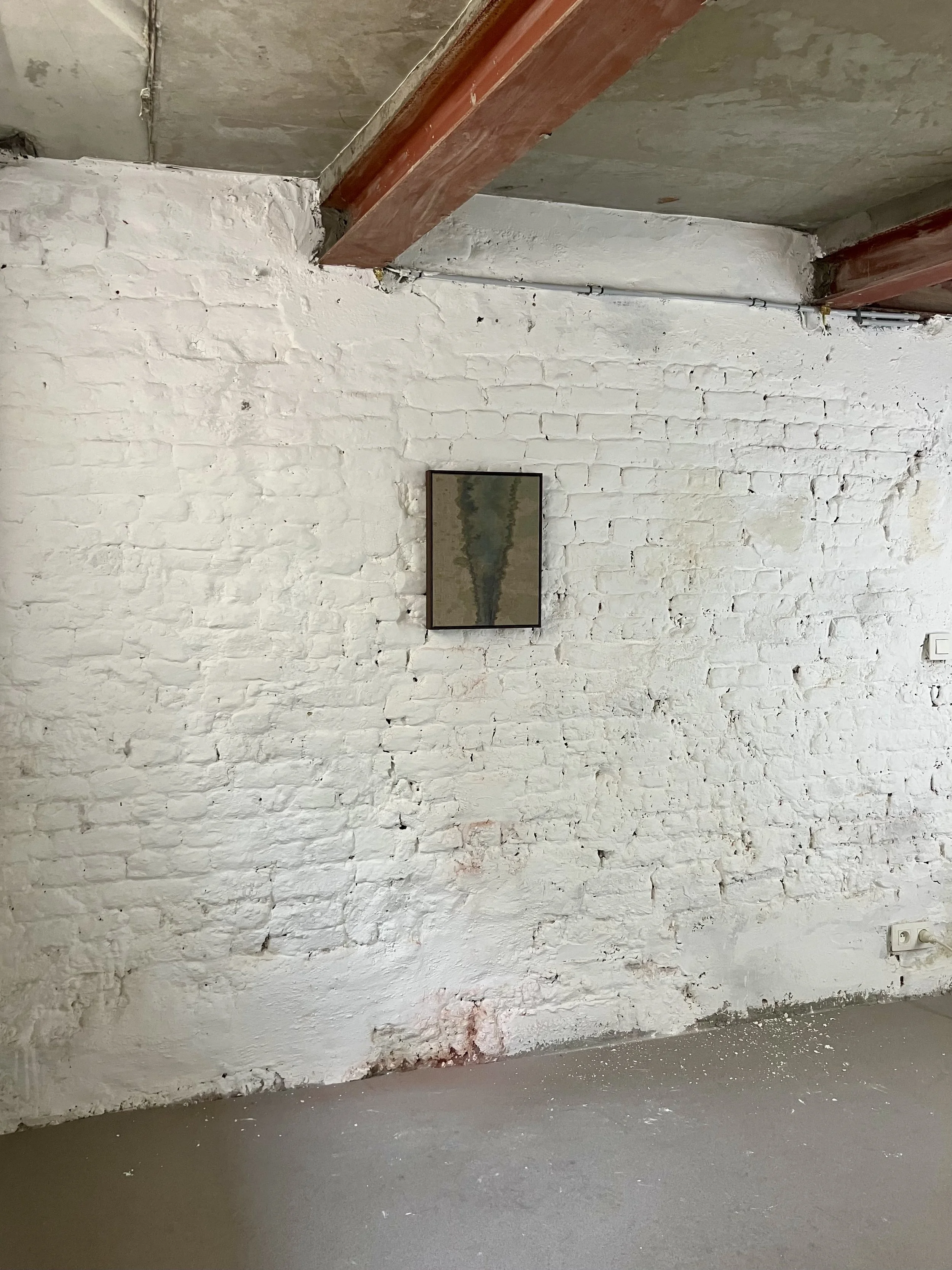
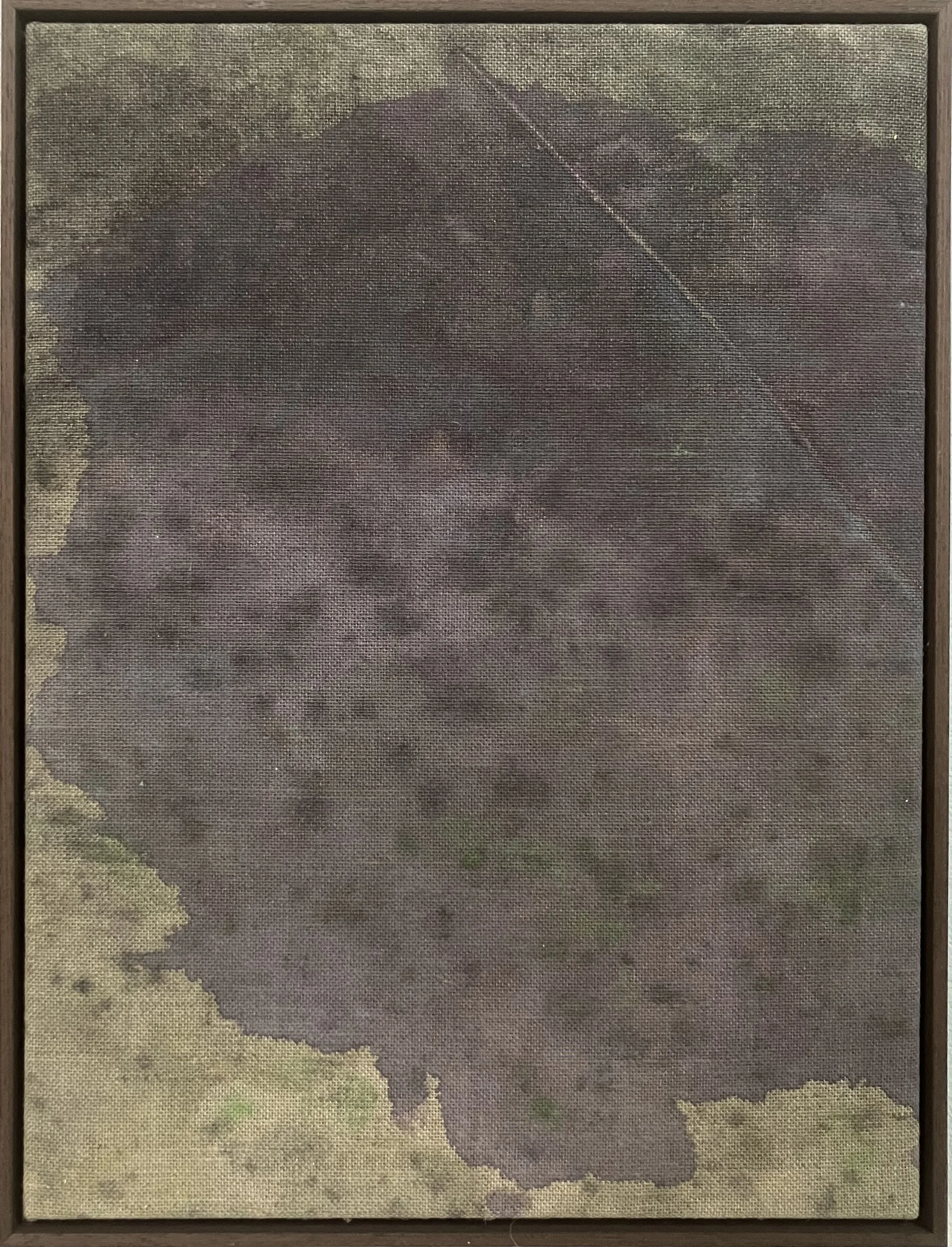
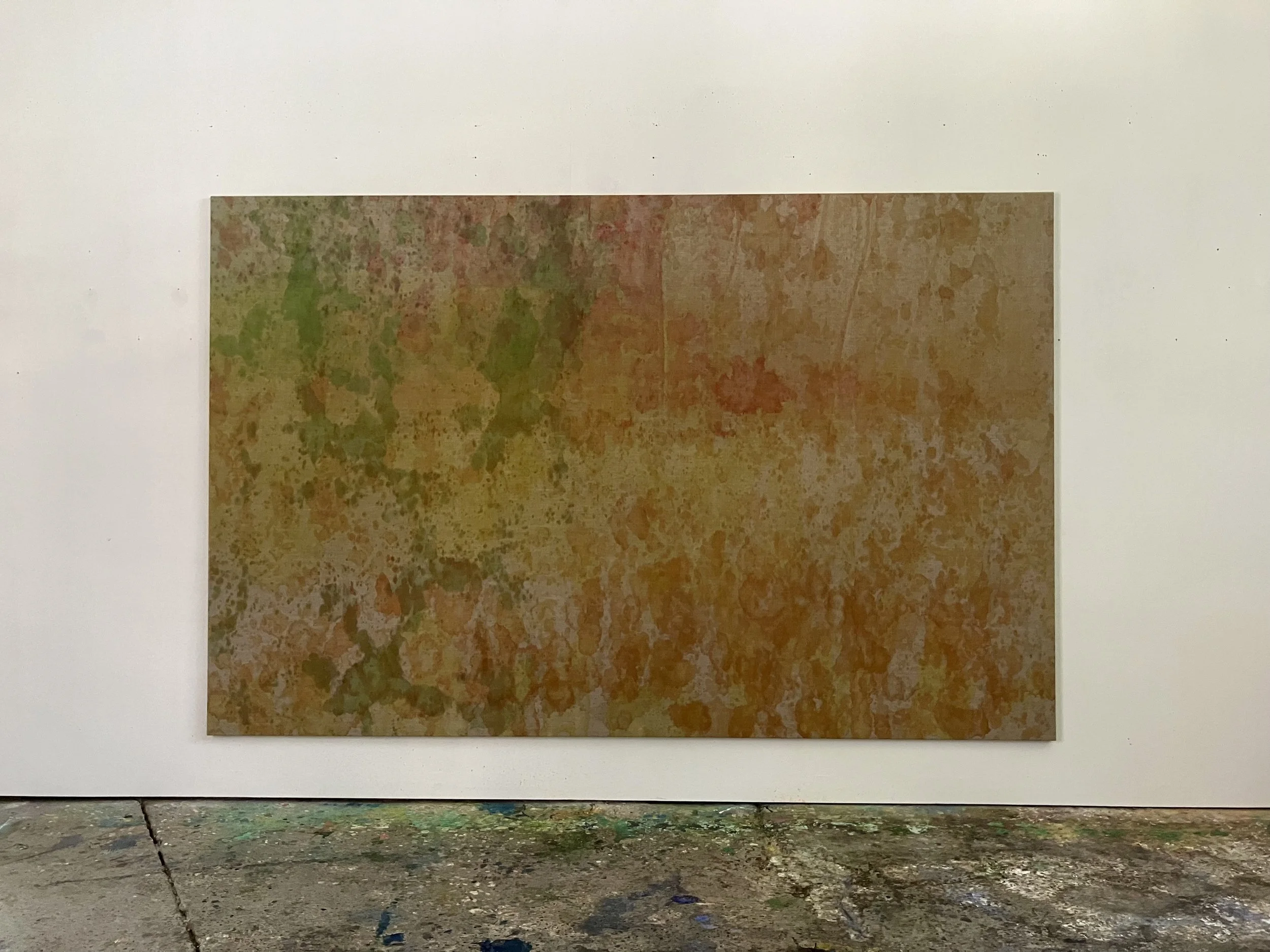
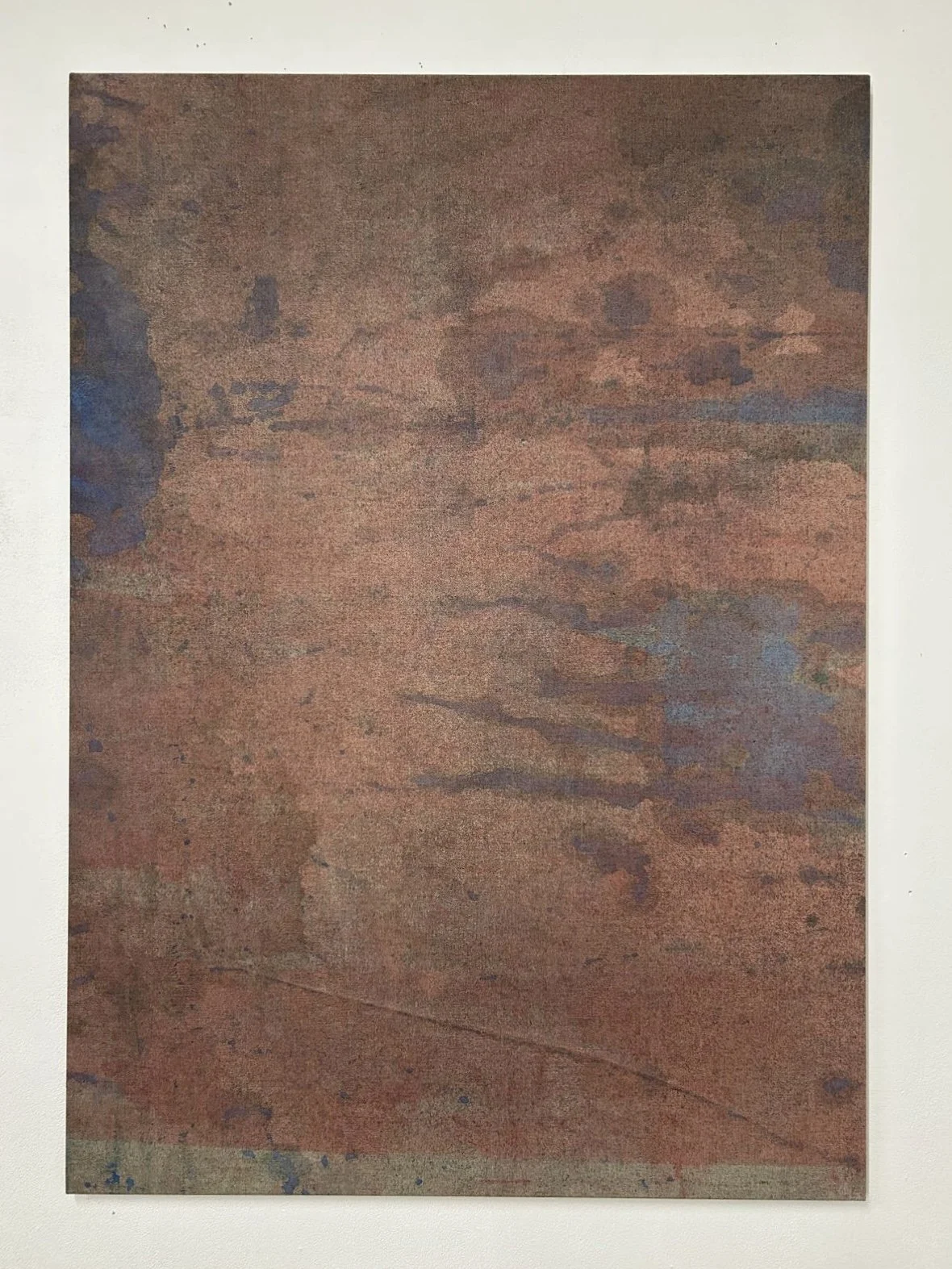
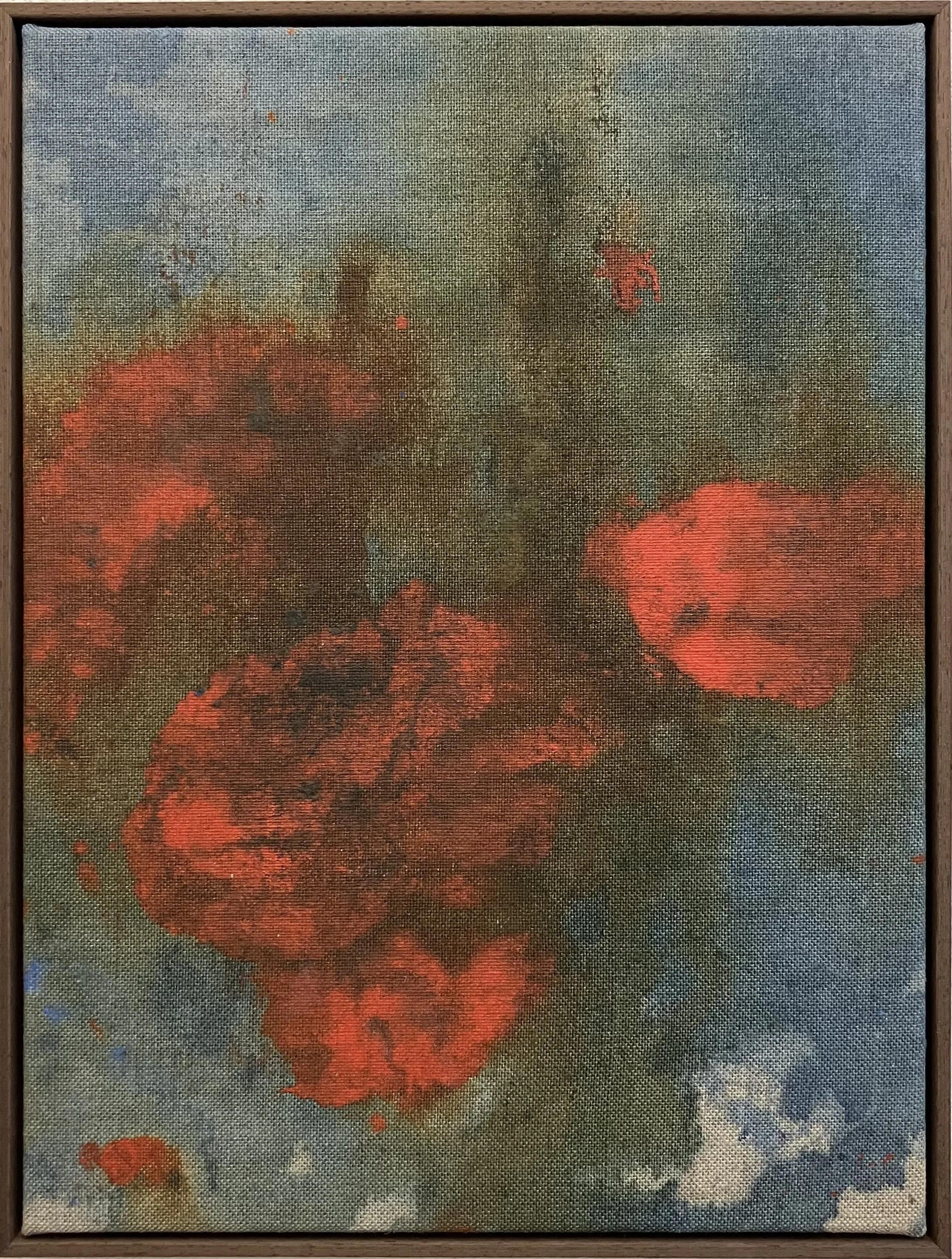
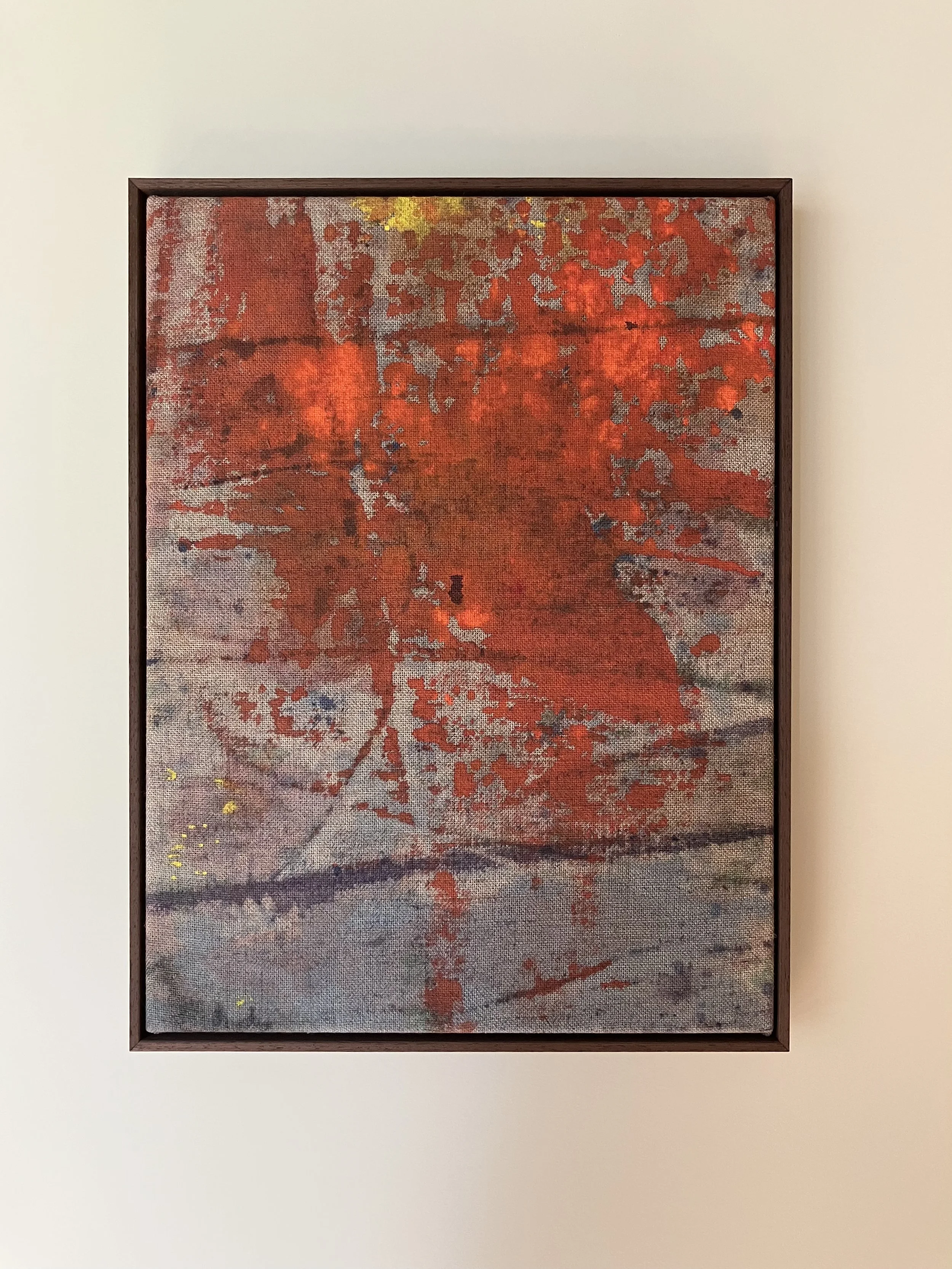
Glenn Sanders (b. 1989, Belgium) is a Brussels-based artist whose practice unfolds through layered explorations of space, perception, and material presence. Educated at the Academie Jan van Eyck in Bruges and later at the School of Arts in Ghent, he holds both a Bachelor and Master in Fine Arts and recently followed a seminar on colour with Félix A. D’Haeseleer. His work has been featured in exhibitions including Spaces, Superposed States, MANUAL, Dark ’n Stormy, Wandelgangen, A Garden Party, Blue blue blurb blue.. Projects have been shown at Komplot Brussels, L’ Édition populaire Antwerp, Fred&Ferry Gallery Antwerp, Superdeals Brussels, Katapultt Gallery Scheldewindeke, and other venues across Belgium. He continues expanding the dialogue between artistic research, built environments, and lived experience.
Artist Statement
Following my residency at Hektor in May 2026 with Line Pillet, there is a great urgency to continue this research at Hektor. The technical and visual explorations undertaken during the residency opened up many new fields to investigate. This research is still developing today in my Brussels studio.
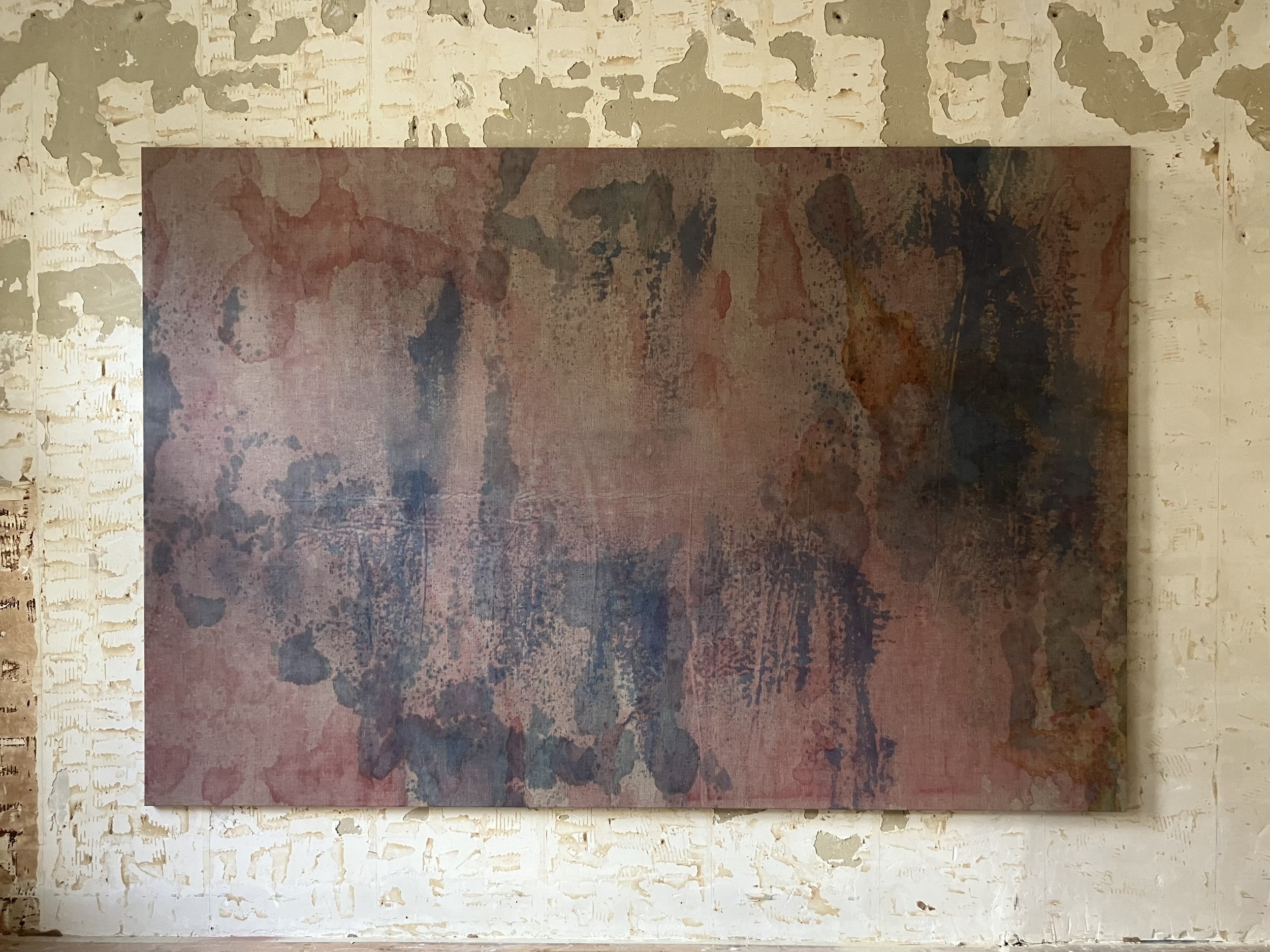
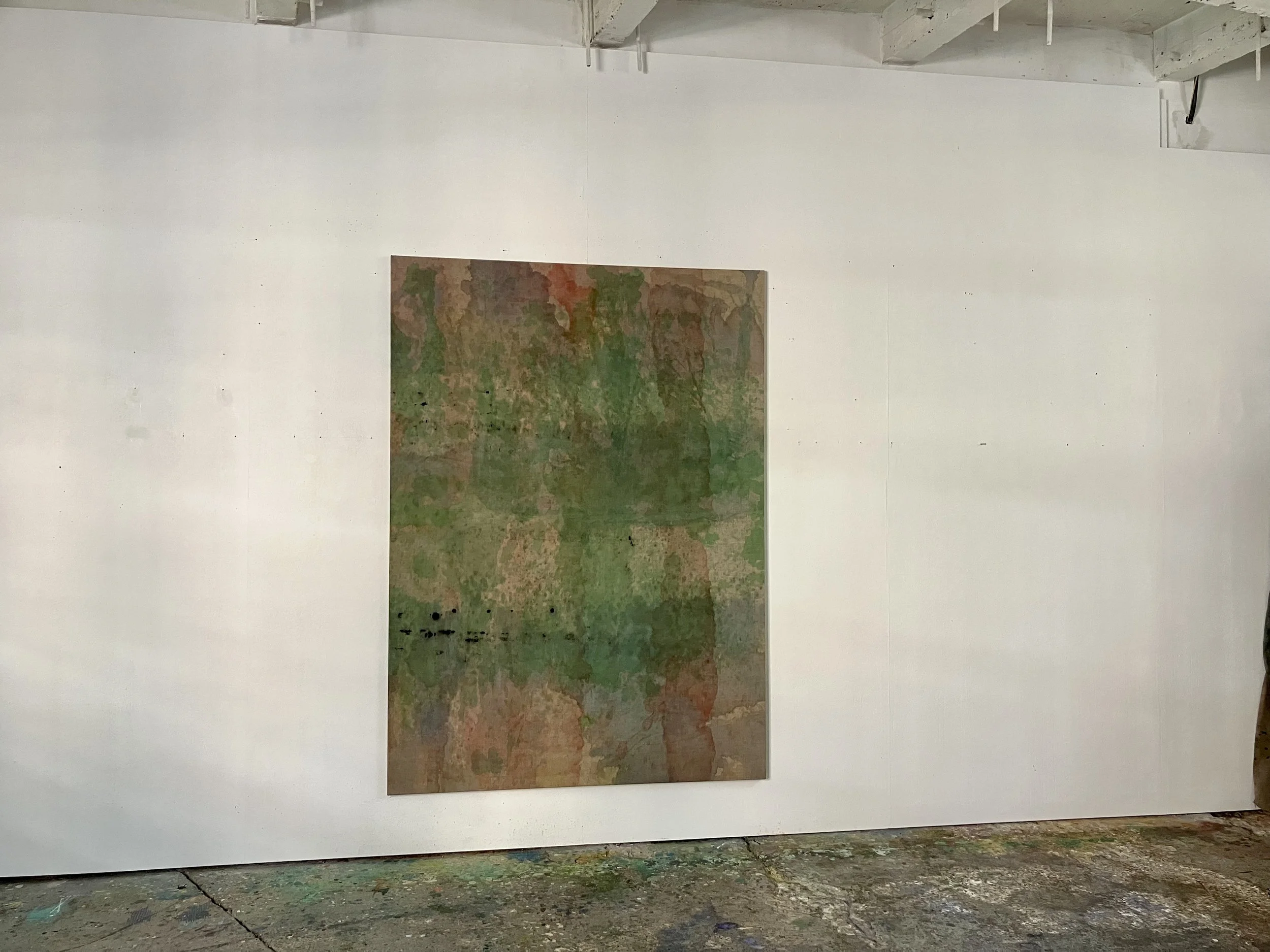
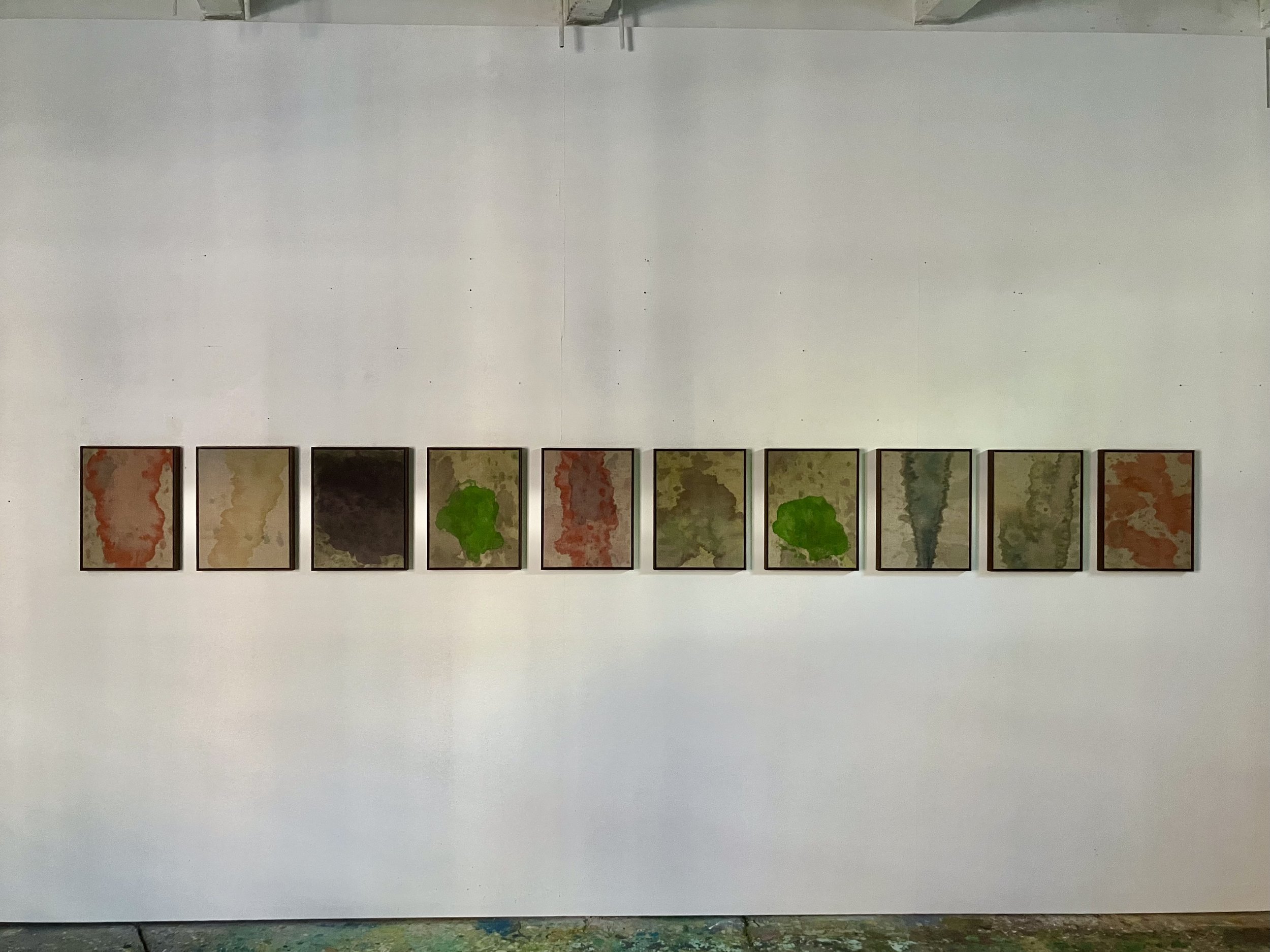
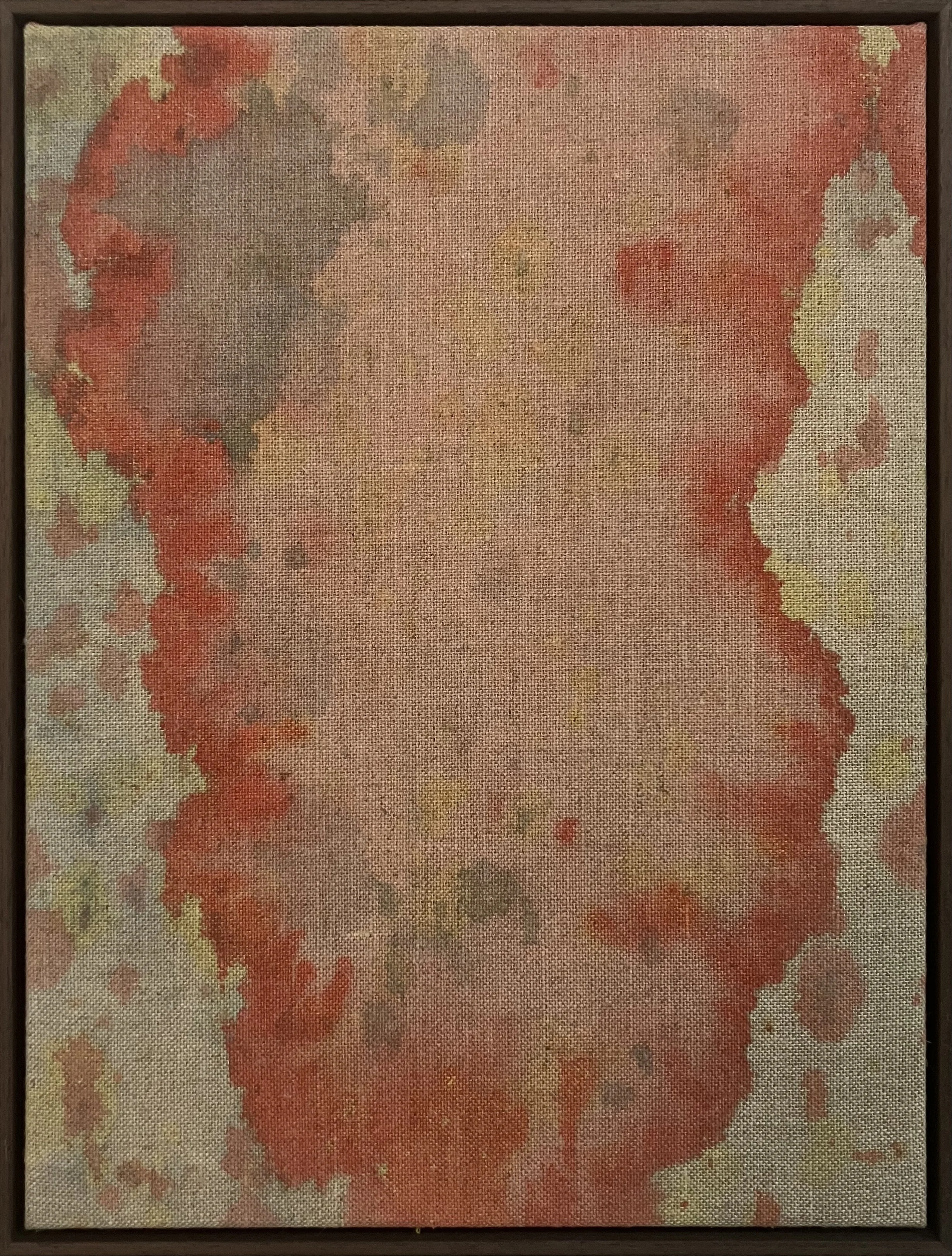
In May 2026, I came to Hektor with the idea of working with natural, plant-based pigments, prompted by a growing fatigue with acrylic paints and solvents, driven by an increasing awareness of their environmental impact.
As we plan the next residency for July 2027, it is important to consider that fewer flowers, and probably fewer plant materials in general, will be available.
But, I am looking forward to start experimenting with making black inks from homemade charcoal (for example, from vine cuttings), red pigments from the earth, and, as a next step, making my own paper. This is something I will try during the coming winter, although I think the paper will dry much faster in July on Lanzarote.
Now that I am more confident in the technical aspects of colour making, it feels like it is time to deepen the narrative side of the research and explore how this process can be further integrated into my artistic practice, and how this research can, and should be presented. The environment of Hektor is especially fertile to reflect upon this matter.