
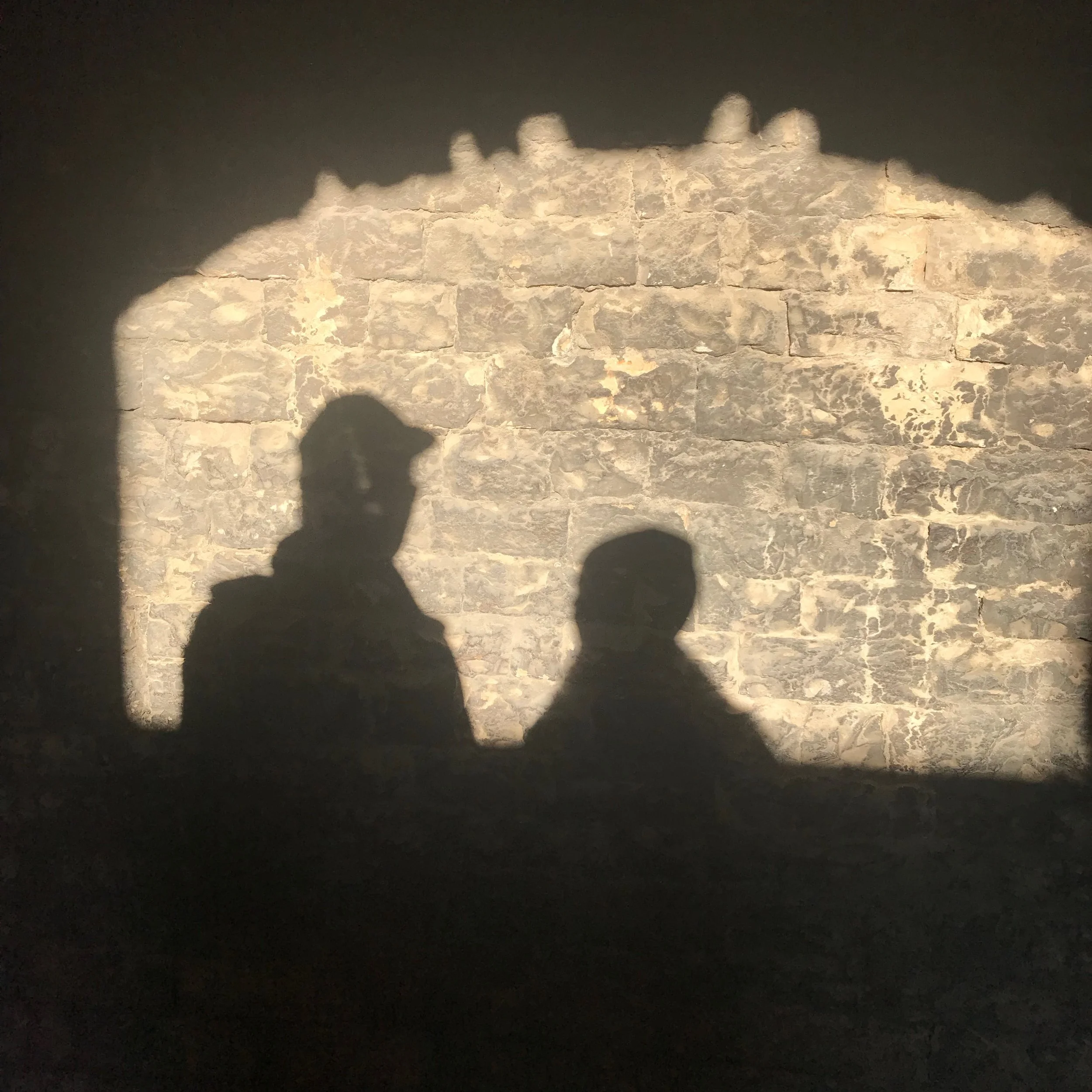
Alicja Panasiewicz
Visual artist, studied at the Academy of Fine Arts in Cracow, Poland. Since 1996 she has been working at the Faculty of Art at the University of the National Education Commission, Krakow, teaching biodesign, environmental art and visual structures. Co-founder of the new course Creation of virtual spaces and games at AGH University of Science and Technology in Krakow from 2025. She leads workshops for students about visual perception and environmental art. She creates light objects and installations and has put focus on the phenomenon of light in space and the aesthetic value of both that creates the viewer’s impression about them.
Organiser of the artists and designers fair „Nówka Sztuka” [brand new art], Juror of the Creative Scholarship of the City of Krakow, Poland
Selected exhibitions:
My Personal Cloud, scent installation, Proyecto ‘ace Buenos Aires, Argentina, 05-06.2025; Chromophilia part 2 – 6 faces, Centro Cultural Municipal Adriano Moreriro Braganca Portugal, 08-10.2024; Ethnocentrism/Spaces of Alienation, Gallery of Icelandic Print Association, Reykjavik, Iceland, 07.2024; Ethnocentrism – traces – L’Assaut de la meniseuerie, Saint Etienne, France, 05-06.2024; Chromophilia – 6 faces, Ethnographical Museum Kraków, Poland, 04.2024; Ś//Ć światłociemń, Mazovian Center of Contemporary Art „Elektrownia” Radom, Poland, 12.2023-01.2024; SACO Biennal Antofagasta, Chile, installation Hello darkness my old friend, 06-08-9.2023; Festival Svetlobna Gverilla, Ljubljana, Slowenia, 05-06.2023; Romantism Museum Opinogóra, 05.2023; Light as a Creative Tool, Wrocław 03-04.2023; Drawing Triennal Wrocław, Academy of Fine Arts 04-05.2022; Starachowice, 11.2023; Słowoobrazy, Podkowa Lesna, 12.2022; What the Sun has not Seen, Untitled Gallery Tbilisi, Georgia, 07.2022; ‘f’ jak fizjonomika ‘f’ jak fenomen, Synagoga Wysoka, Krakers – Cracow Gallery Week, 06.2022; Digital Detox, Galeria M, Opole, 12.2021-01.2022; Elementaria, EL Gallery Elbląg, 10-11.2021; Clara Lux-Clarum Lumen, Academia di Belle Arti di Bari, Italy, 07.2021; Selfish Cartography, Kamienica Ta3, Warszawa, 10-11.2019, Art Festiwal Konfronty 2019; ; Razzle Dazzle Trash, Gallery 113, Faculty of Art Jan Długosz University Częstochowa, 10. 2019; The Stealer of Light - International Media Art Festival SeeDjerba, Mixed Media, Tunezja, 08.2019; Gloom, installation during exhibition Light of Anamnesis, Podbrzezie Gallery, 07.2021 – 30. Jewish Cultury Festival; Subversive Twilight, Twilight zone - between analog and digital media, Spazju Kreattiv, La Valetta, Malta, 28.05-20.06.2021; 7.30-8.30 W/E, Świat-ły exhibition, installations in the House of Stanisław Wyspiański - Sapphire Workshop in Krakow Krakers – Cracow Gallery Week, 10.2020; PANOPTICUM’ 21 exhibition The Institute of Systematics and Evolution of Animals of the Polish Academy of Sciences (PAS)Krakers – Cracow Gallery Week, 10.2020; Ekran No 2. Artysta/Artystka na codzień, Cracow Art Week Krakers 2020, ARTzona Culture Center. C. K. Norwid, 10.2020; Razzle Dazzle Trash, Polish Graphic Triennial, Silesian Museum Katowice – 12. 2021; all_part 1,2 - 3rd International Art Triennial Digital Agora in 2021, 10-12.2021; viewpoint – Polish Art Biennale, 46 Salon Zimowy Radom, Elektrownia, 06.2021; ekran1 - Artzona, 06.2021, Krakers 21; Viewpoint, exhibition Knjiga-umetnički objekat 4 Da li se poznajemo? / (Book Art object 4 / Do we know each other?) w Muzej primenjene umetnosti / Museum of Applied Art w Belgradzie, Serbia, 10.2020; funkcja – 6 Digital Art. Biennial Gdynia, 10.2019; limes 0, Telos, Krakers, Kraków 04.2019; 2,4,5,8-obraz-rezonans [2,4,5,8 - image, resonance], Art Center Stara Kotłownia, Olsztyn 02-03.2019; [alter] Galeria OFF Frame, Krakow, 2018; Współrzędne Barwy [Colour Coordinates], Warszawa, Schody Gallery, 10.2016; #FF00FF, Kalisz, Uniwersytecka Gallery, 02-03.2016; Sześć Przyczyn Cienia [6 reasons of the shade], Kraków, Cellar Gallery, 10.2016; Zarówno, Kielce, XS Gallery, Interferencje in the conference Discursive Geometry 09. 2015; Morfeus, multimedia installation, Kalisz, Uniwersytecka Gallery, 10.2015; Lightpresence, multimedia installation, 1st International Digital Art Triennial, Hungary, Szegszard, House of Art, 09-11.2015 – Grand Prix; 1:200000, XS Gallery, Kielce 04.2015; Obecność Obowiązkowa [Presens mandatory], Galeria MINI, Kraków, 05.2014; Overillumination, Alicja Panasiewicz, Rita Kriege, The Nuremberg House, Kraków 11.2014-01.2015; Subwersje Światła [Subversive Light], Gallery Rękawka Kraków 12.2012; Input/Output, Lamelli Gallery, Kraków 2012; Lux Lumen, Gallery Artefactory, Kraków 09.2011; Luce da luce, Lokator Club, Kraków 06.2010; LPP – light lines, Pauza Club, Kraków 06.2009; Light Sketches, BB Gallery, Kraków 12.2008-01.2009; Sketches from Nature, Galeria BB Wrocław 02-05.2007; Lapille, Kontrast Gallery, Kraków 07-08.2005; Lumiforms, BB Gallery Kraków, 11-12.2002
Prizes:
Drawing Triennal Wrocław, Academy of Fine Arts 2019
Grand Prize of Triennial 1st International Digital Art Triennial 2015, Digital Agora 2015, Szekszárd, Hungary.
Adam Panasiewicz
Visual artist, graduated from the Academy of Fine Arts in Krakow. Since 1994, he has been
working at the Faculty of Art at the University of National Education
Commission, Krakow, as a professor. He works in the medium of digital graphics,
drawing, and digital video. In his practice, he investigates the limits of perception of
the moving image, focusing on the properties of reception in the context of the
physiology of vision. He makes interactive installations that employ programming
languages to expand the definition of work emerging in the process of participation of
the user.
naN
not a Number group: Alicja Panasiewicz/Adam Panasiewicz
is an artistic group formed in 2015. It is primarily based on the collaboration in artistic activity of Alicja and Adam Panasiewicz. The artistic duet is mainly concentrated on artistic works using the language of new media that allow great liberty in creation and vagueness in the interpretation of the projects on intermedia.
“not a Number” is a numeric data type in computer science denoting an undefined or unrepresentable size; it appears on programmable devices in case of a lack of digital data. Non-number – empty or space for analog operation? At the junction of science and art, there is an area that is an inspiration for the work of the not a Number group.
They are inspired mainly by the world of science, both modern, technologically advanced and outdated theories that have fascinated mankind for decades or hundreds of years.
They are interested in digitally controlled images as a medium of communication and light as a medium between analog and digital media. Digitality and “augmented perception”. Posthuman attempts to exceed the senses and the space of experience in art. Perceptive errors as an inspiration for visual arts. Sensitivity in digital art, virtual reality, and changes in perception in the digital era.
Their artistic practice focuses on the multi-sensory perception of the world; the creation of multi-sensory, synaesthetic and syncretic spaces based on the concept of the 32 senses and the development of visual activities. They often use the phenomena of light and space as aesthetic values that create impressions. Reality is only an illusion; it separates us from the real world like a curtain. A specific capacity of the human mind processes the recorded image of reality and 'produces' ephemeral, flickering, ever-changing images, impressions, moments.
While creating artistic works, we have put focus on the phenomenon of light in space and the aesthetic value of both, which creates the viewer’s impression of them. Reality is just an optical illusion – it separates us from the actual world just like a curtain does. The peculiar structure (camera obscura) and way of perceiving colour of the human eye make for the uniqueness of the human brain’s ability to process the captured image of the black-and-white reality and the reflected light waves into ephemeral, twinkling, constantly changing images, impressions, instants. It is fascinating how light can convey metaphysical meanings and refer to extrasensory matters.
Works such as 1:200000 and also older ones related to the phenomena of light perception use the language of multimedia as a structure of visual message that is not always clear, yet very carefully adjusted.
One of the inspirations for the project [alter] was the scientific fact that everything that exists resonates. Humans perceive vibrations of miscellaneous frequencies with all senses as sound, electricity, heat, light/colour, X-rays, even cosmic waves, and possibly mental and ethereal waves. The naN group has translated resonance into the language of art.
The other project #FF00FF is based on Goethe’s experiments involving the water prism and black-and-white optical forms described in the five-volume work Farbenlehre. It has inspired the naN group to create the project using optical effects created by processing images with water, air, crystal and glass.
The latest Selfish Cartography project focuses on the geometric principles of constructing maps and projecting the geoid on a plane.
Many projects have been realized with the help of a programmer, who contributes to the character of the message of the works using interactive forms created just to suit those works.
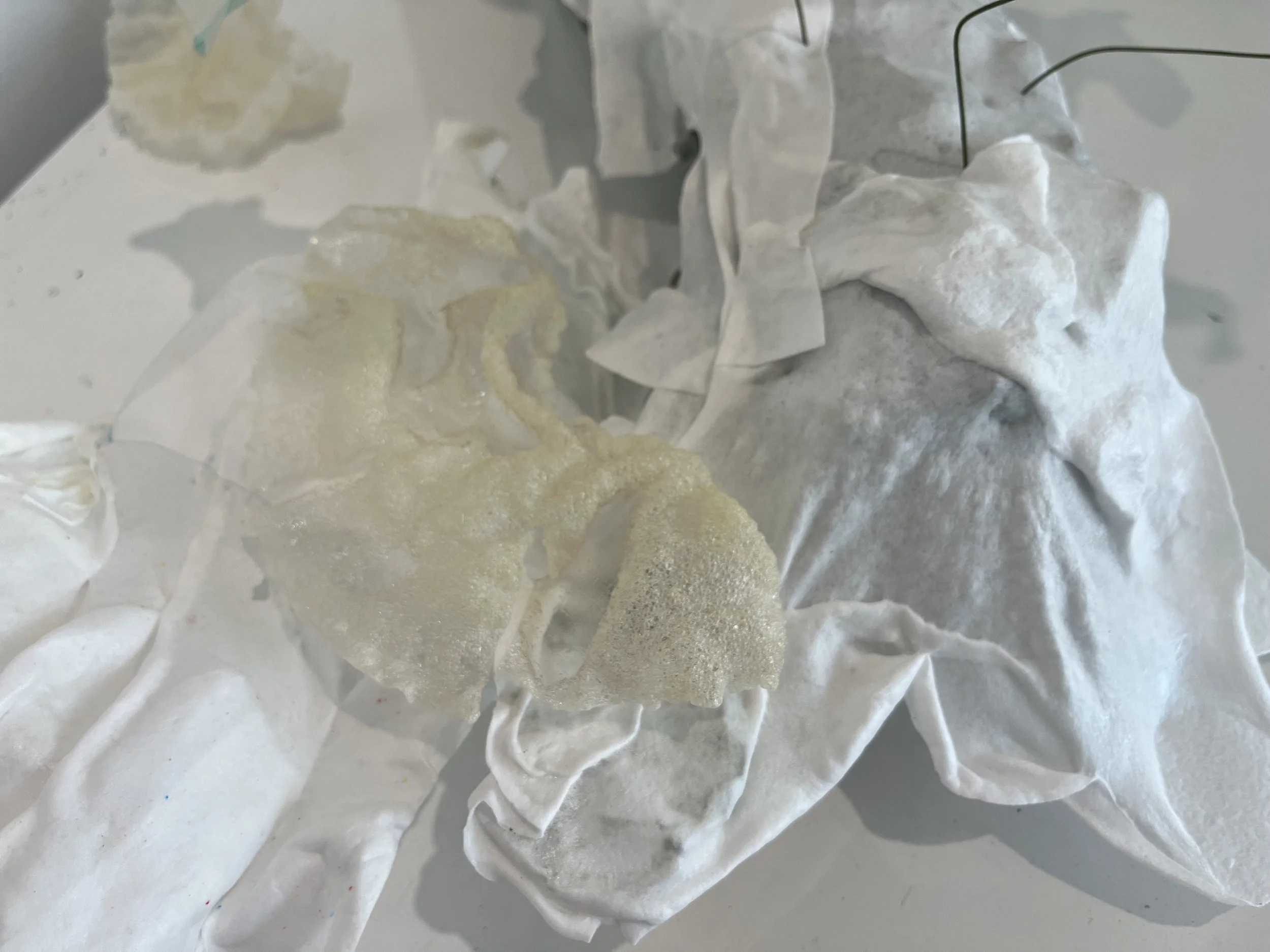
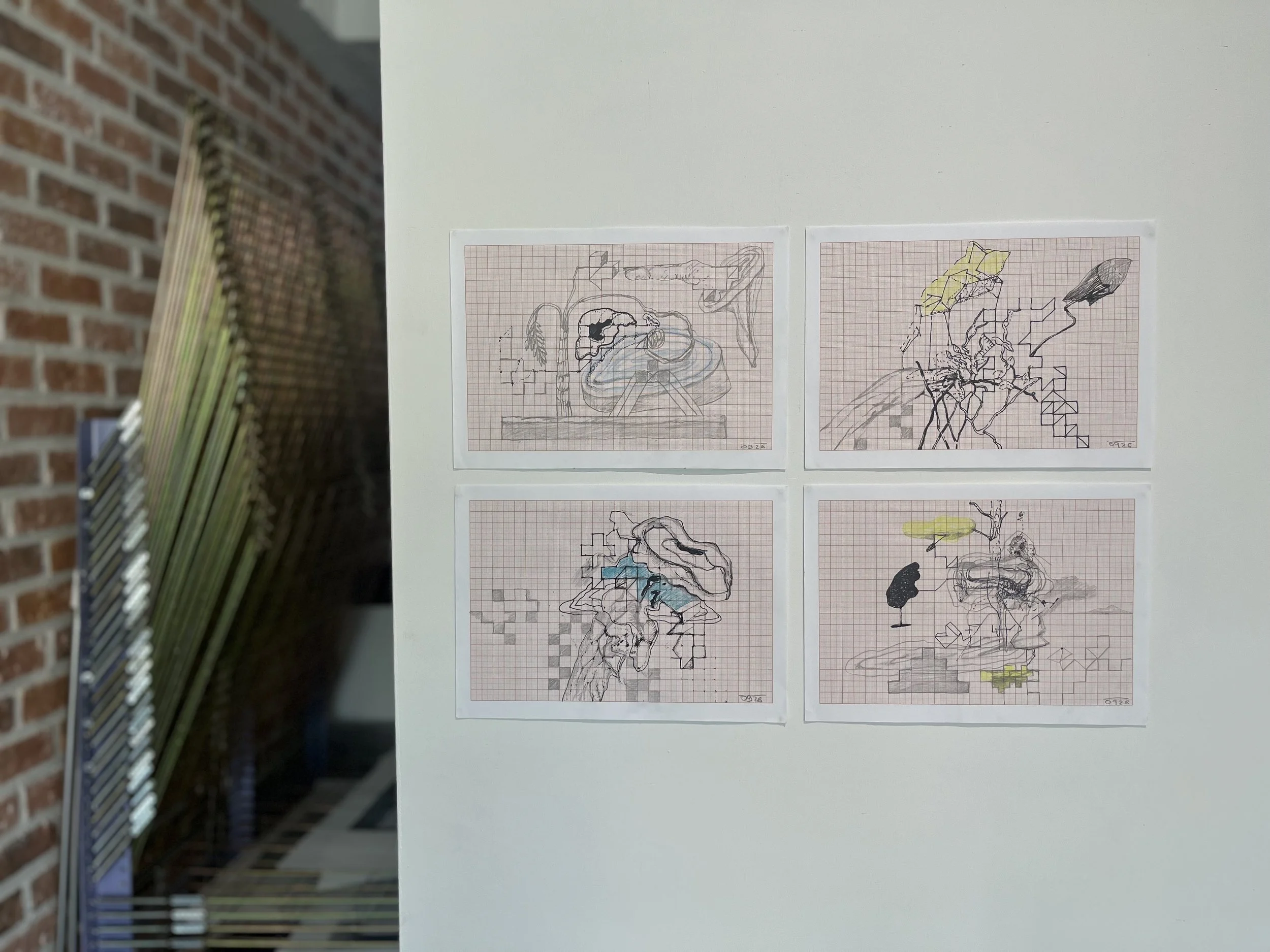
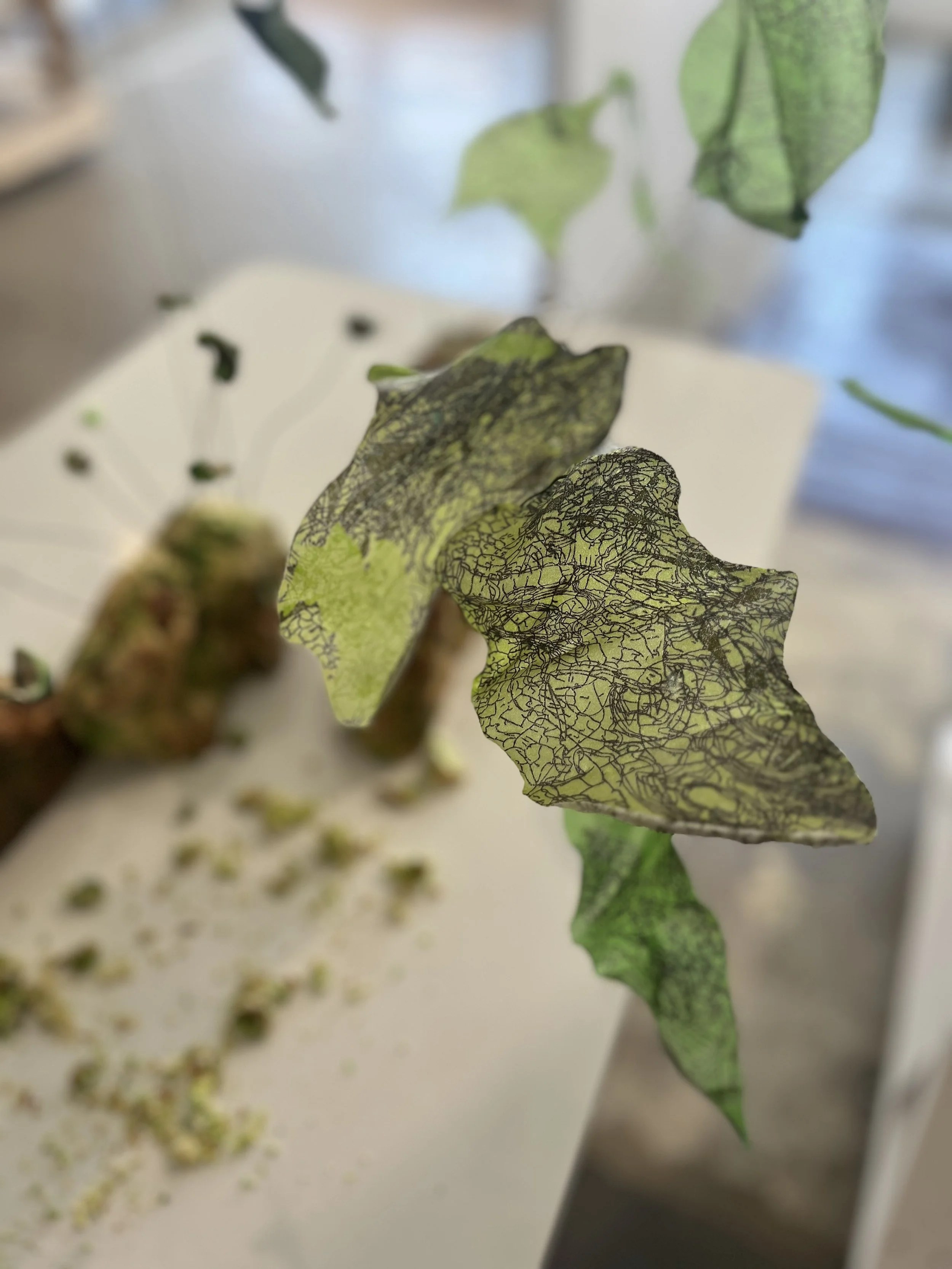
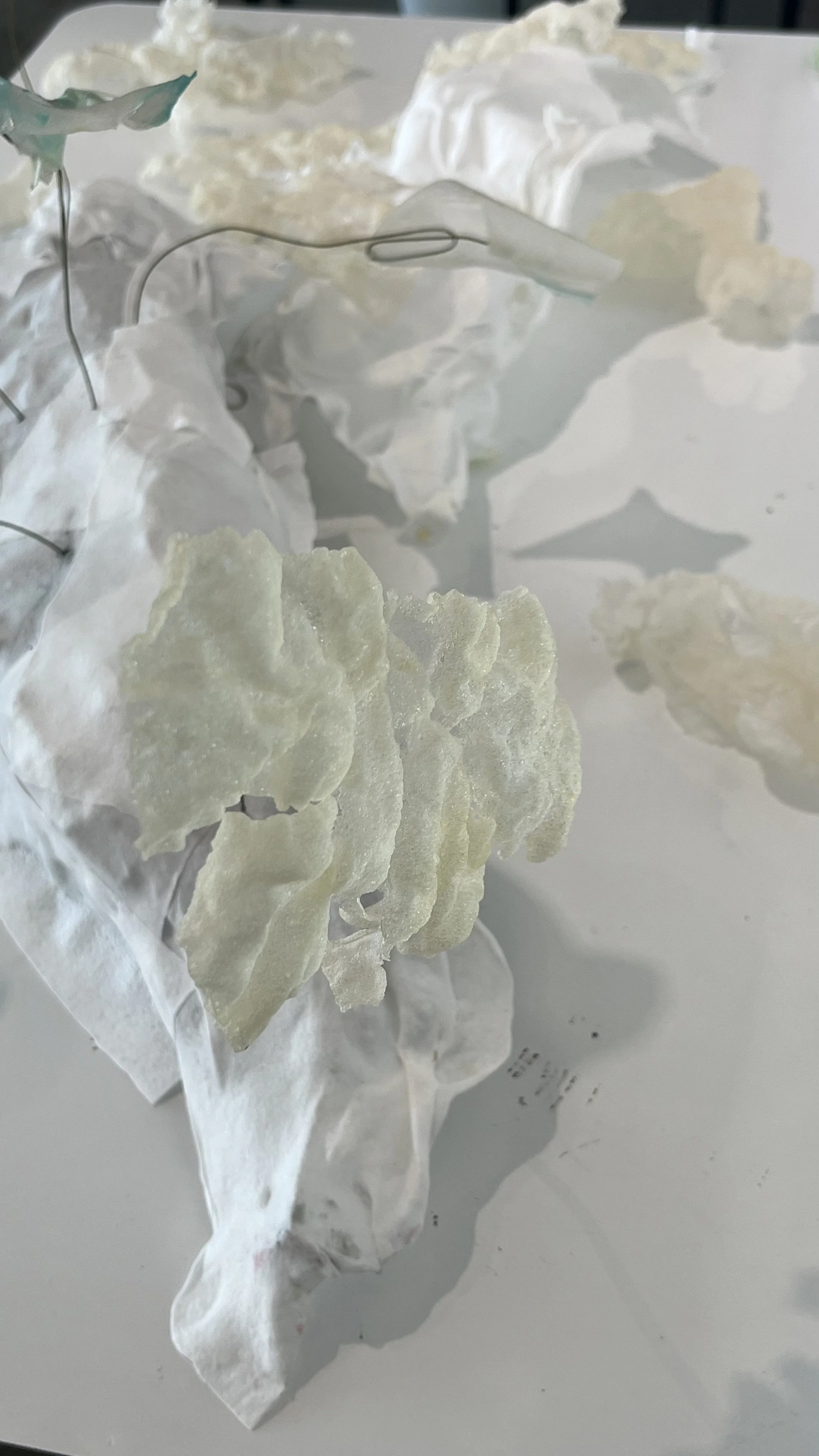
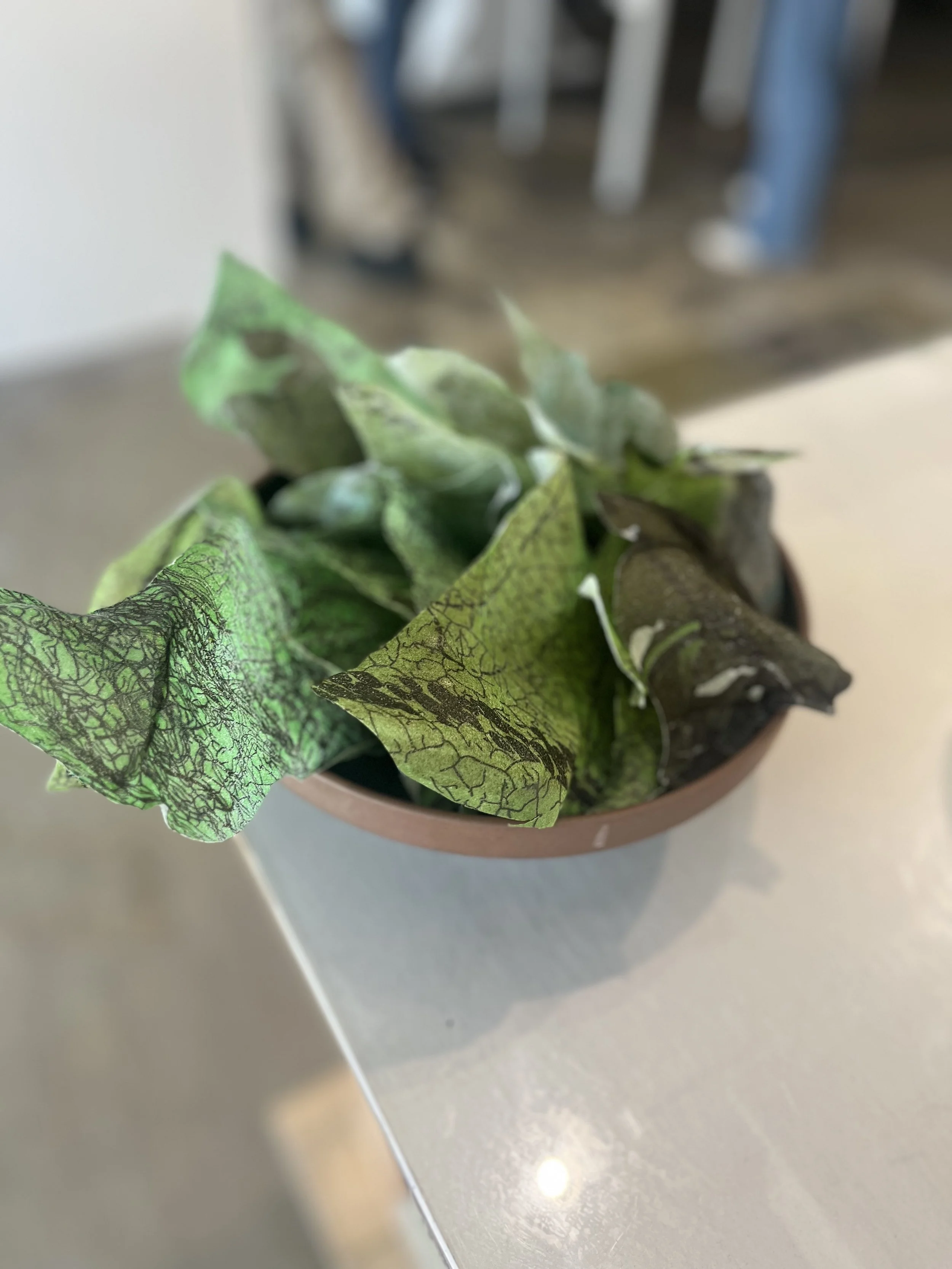
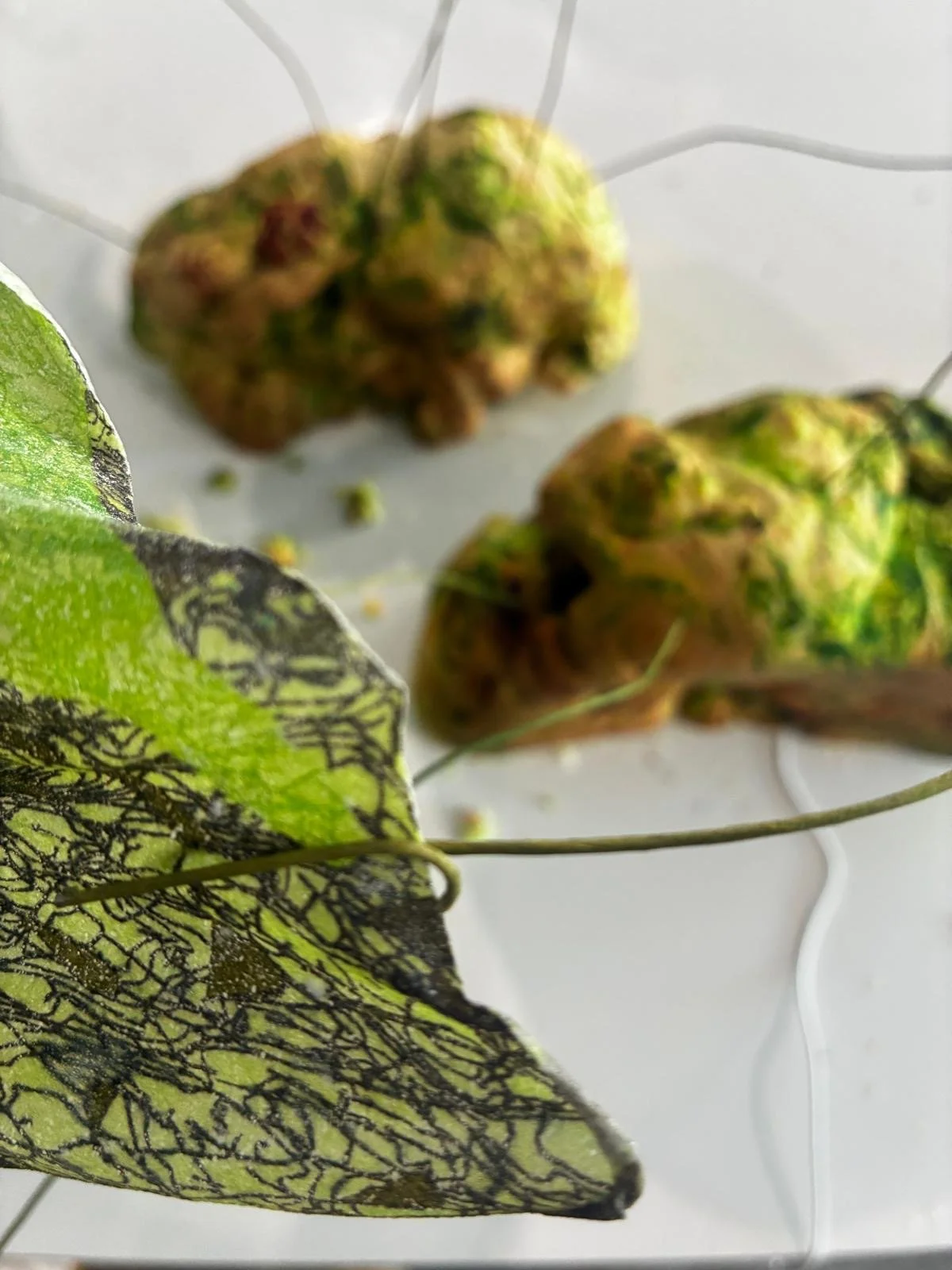
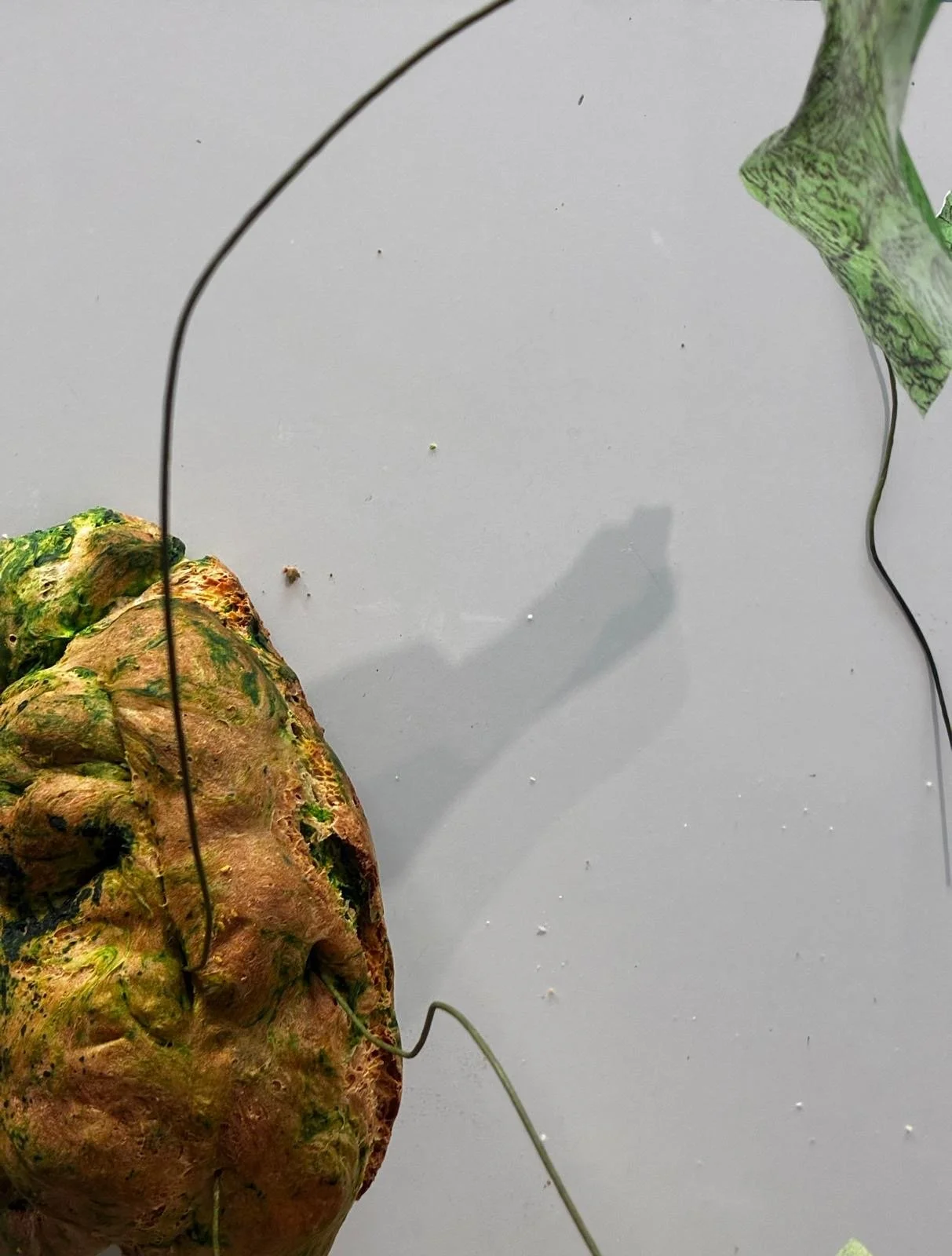
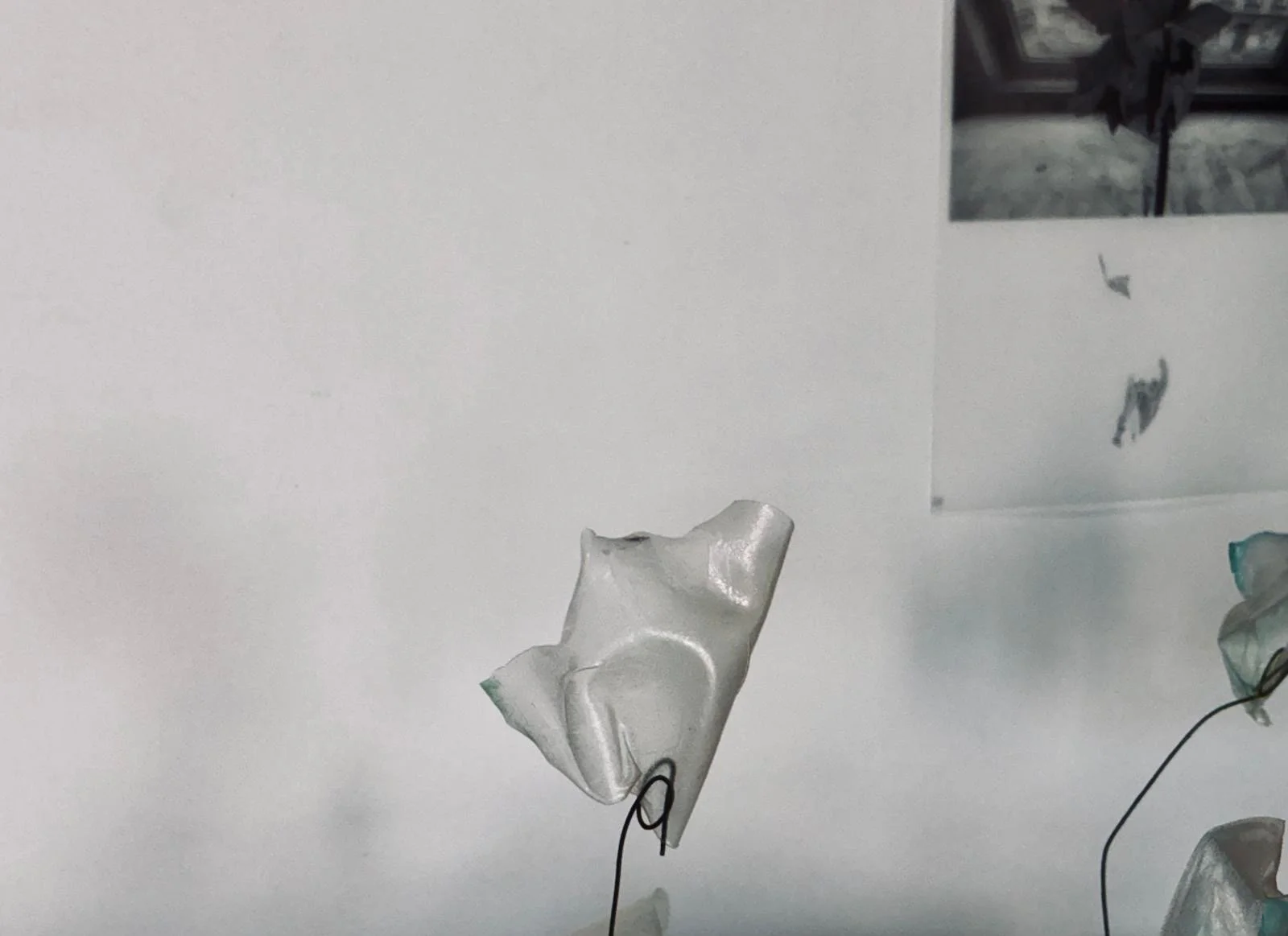
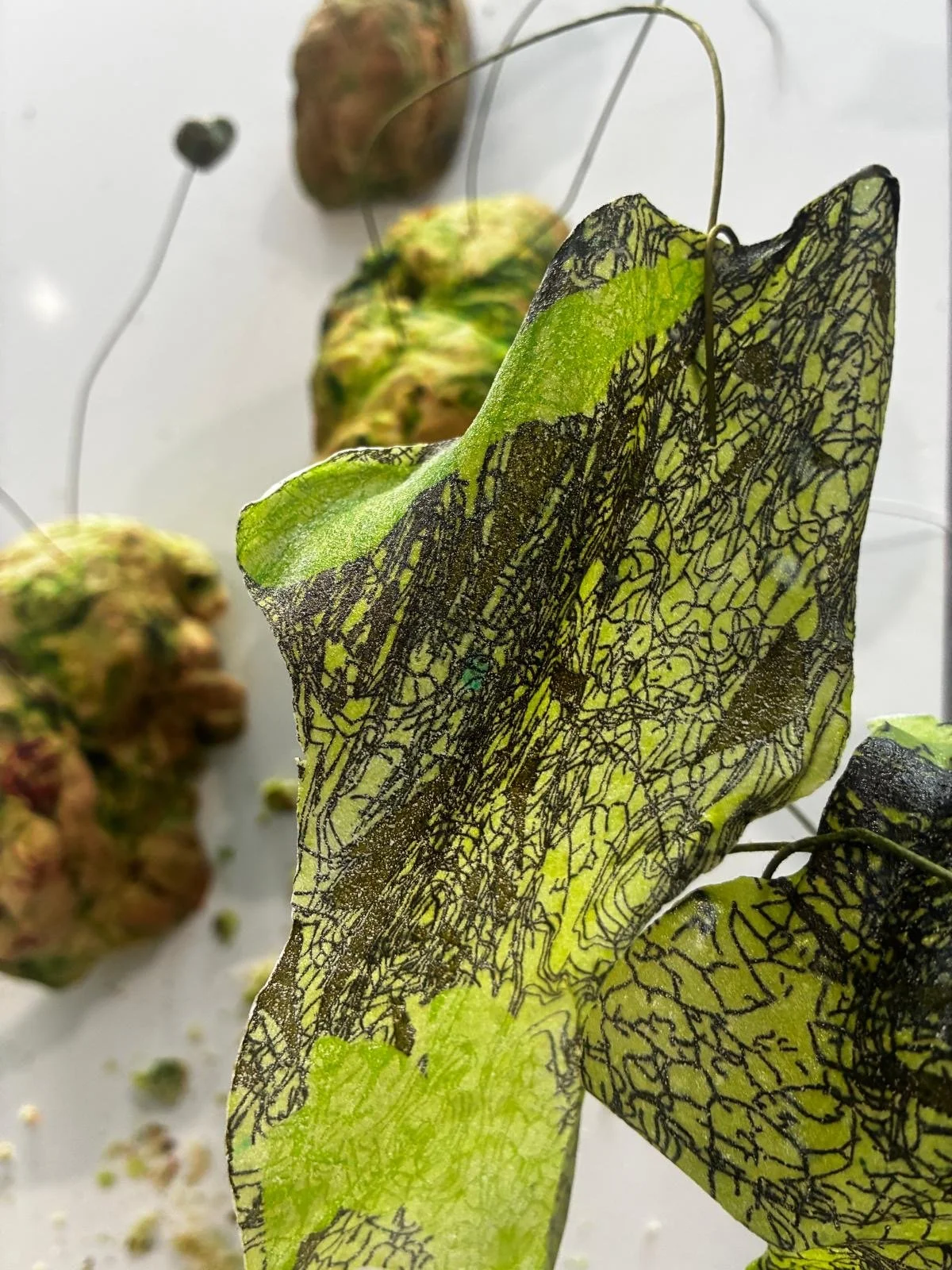
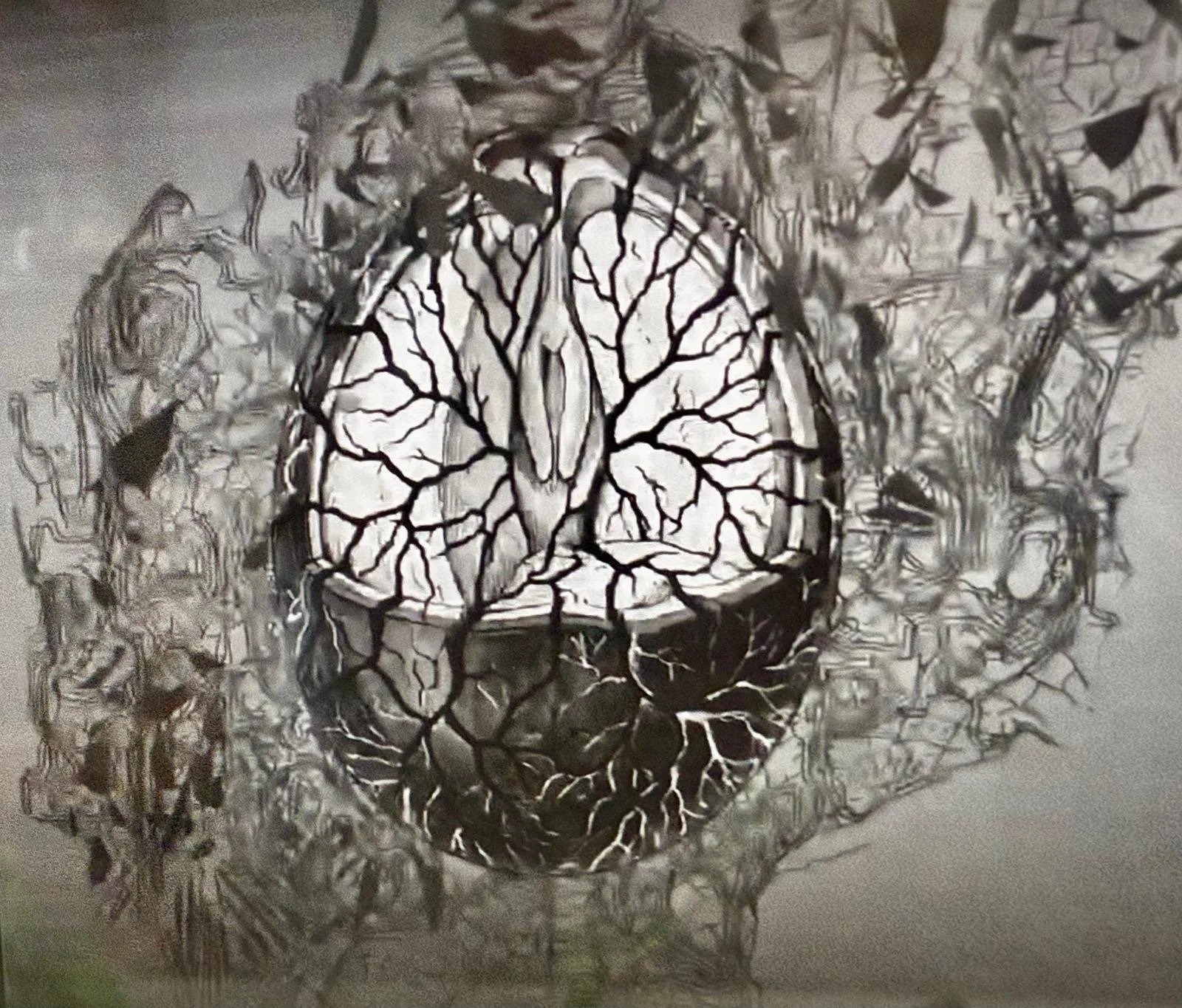
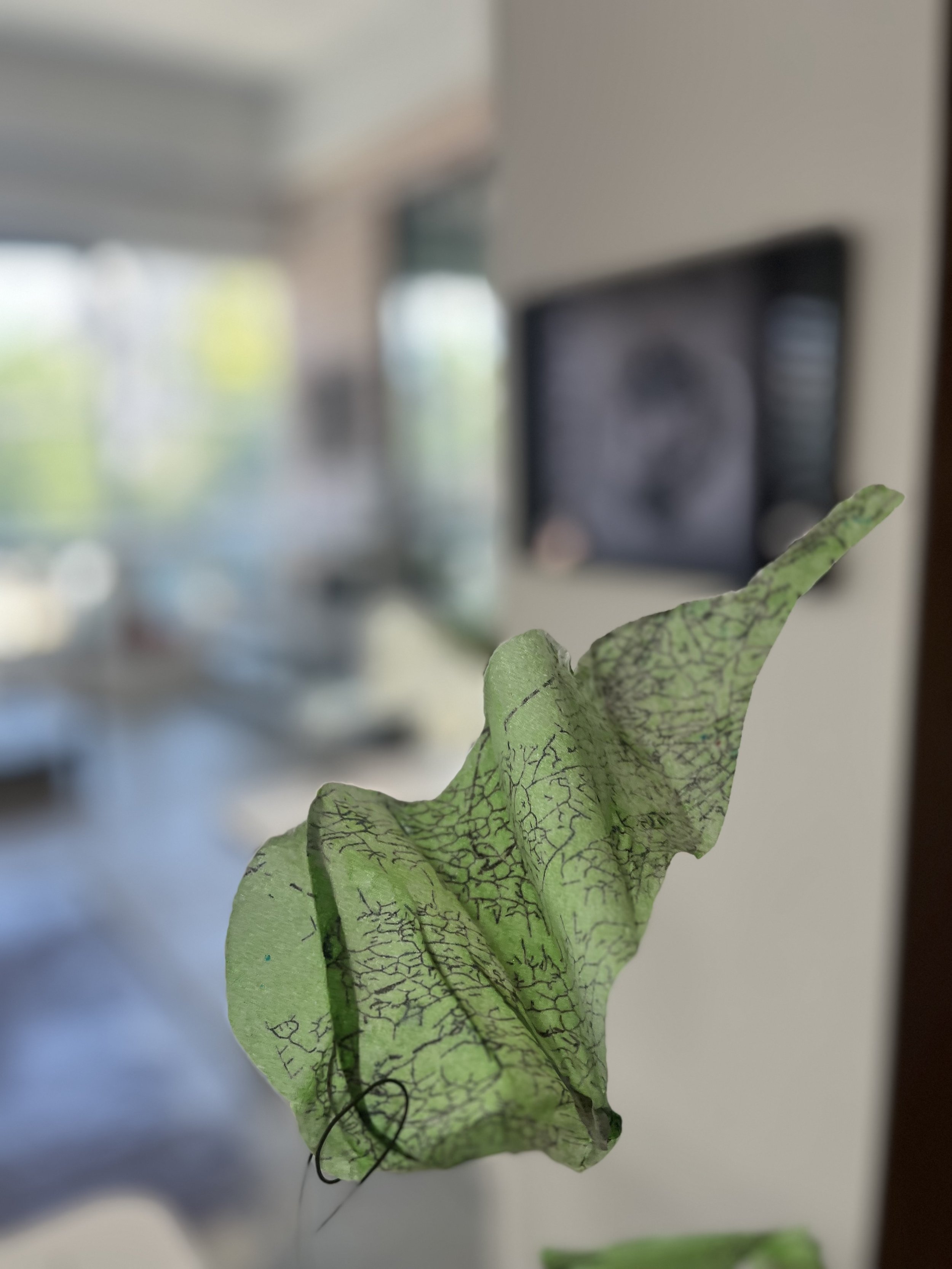
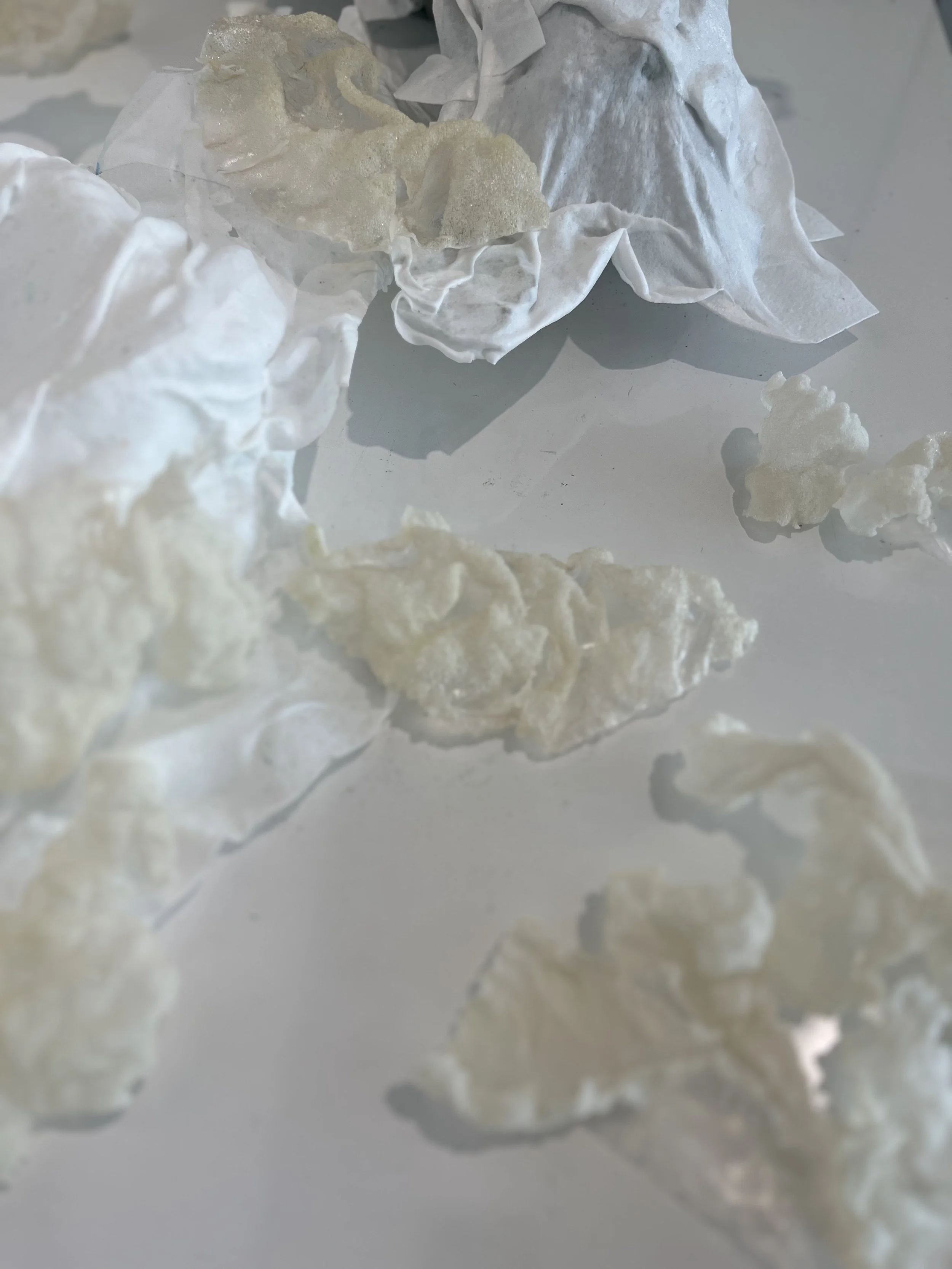
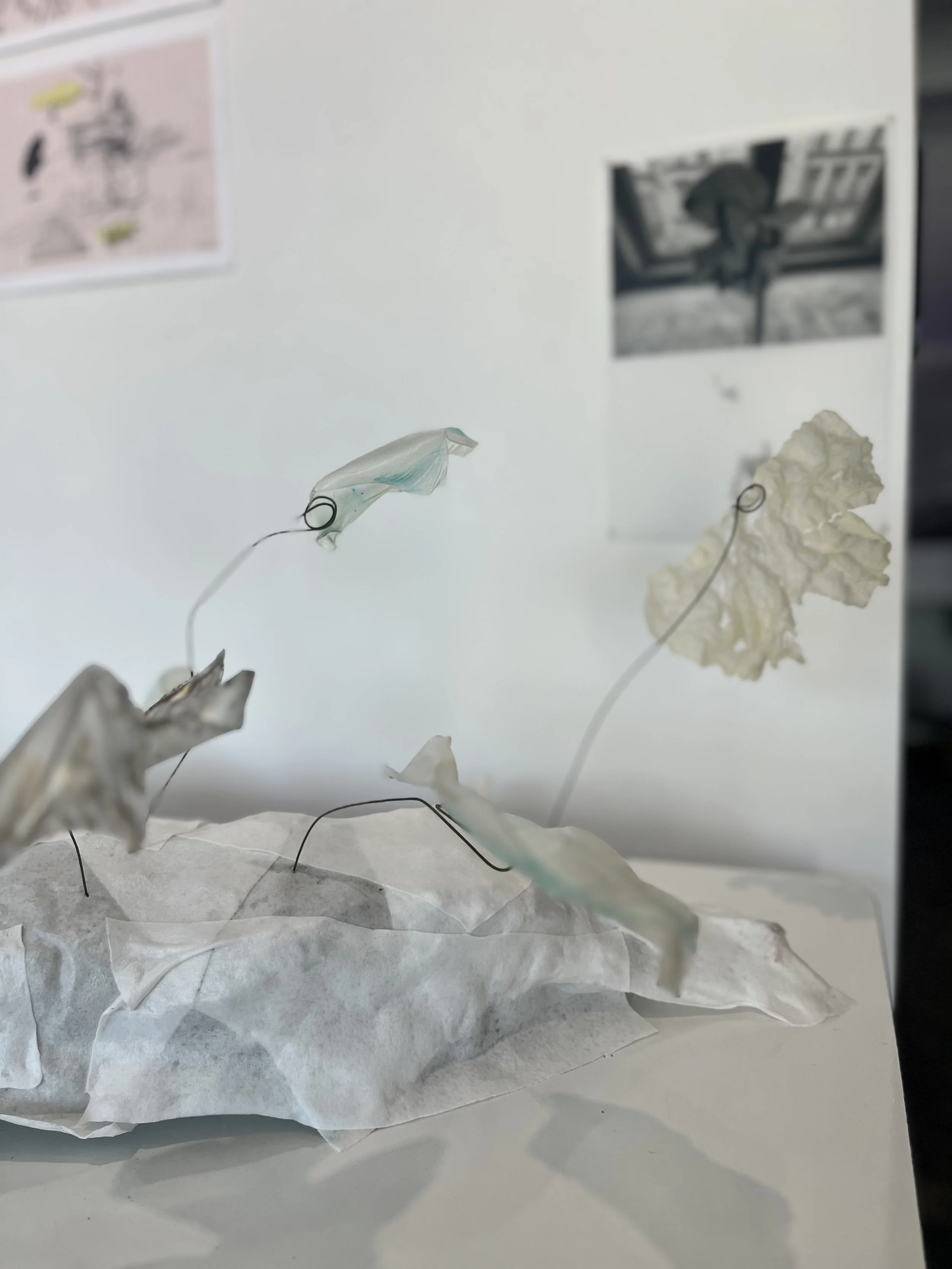
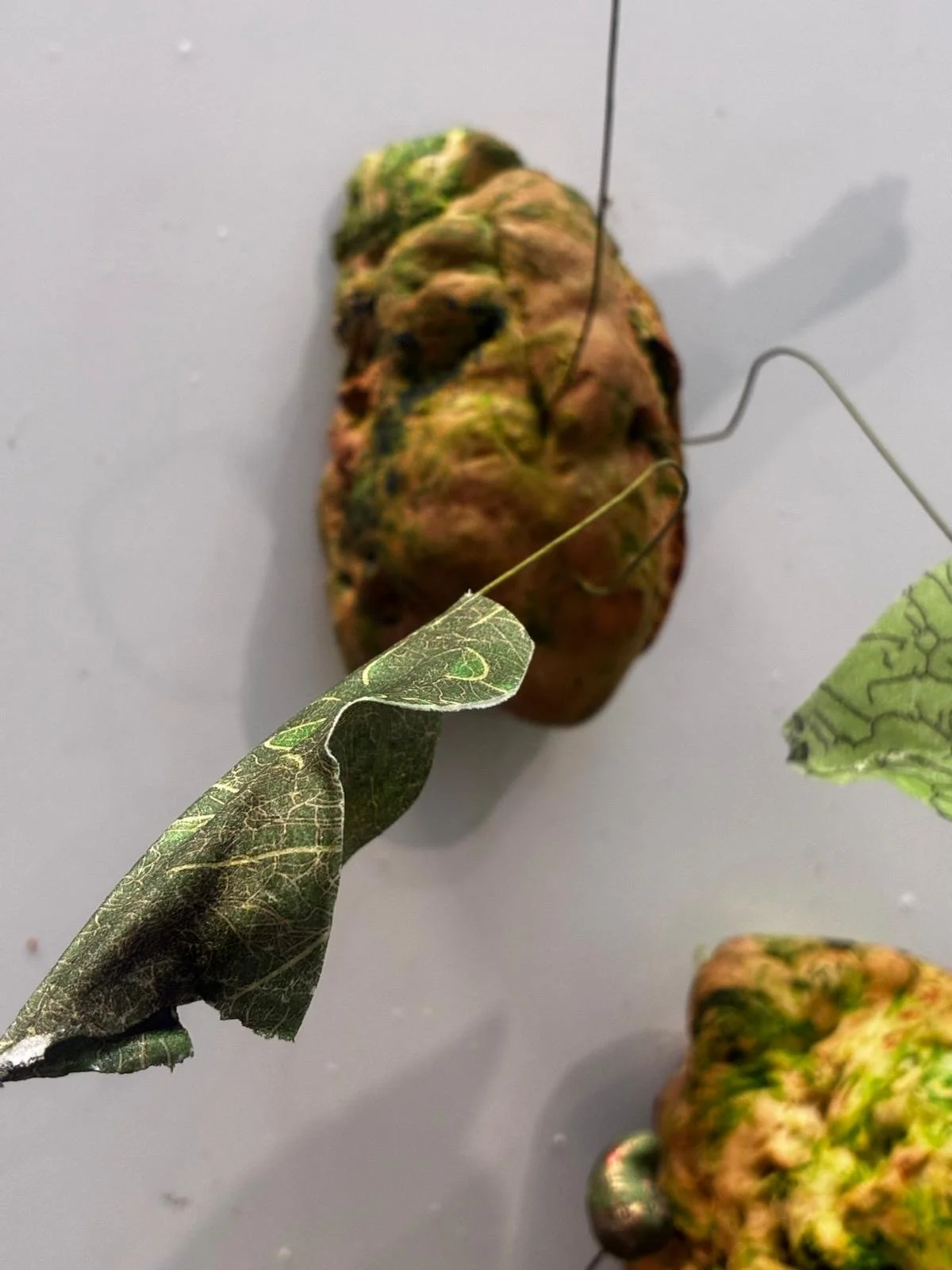
The project New Cuckooland envisions the creation of a symbolic tree – an installation that compiles and transforms the Lanzarote plant world.
What exists outside will be brought inside. During my residency, I plan to explore the flora characteristic for the place, focusing in particular on its native trees. The outcome will be an installation that acts as a symbolic “synthesis” of plant forms – a single artistic organism composed of many interconnected elements.
Main inspiration is oil painting by Pieter Bruegel the Elder named Het Luilekkerland (Dutch, "Cockaigne", literally "The Lazy-Tasty Land") — known in English as The Land of Cockaigne painted in 1567. In medieval times, Cockaigne was a mythical land of plenty.
The installation will become a multisensory organism bearing numerous “fruits” – edible objects that visitors will be invited to taste. In this way, the “tree” will represent a utopian vision of a plant that satisfies all human taste desires – reminiscent of the mythical land of Cuckooland, a place of abundance, pleasure, and eternal leisure.
The central focus of the painting is a tree that provides all kinds of nourishment. To me, it symbolises how nature sustains humanity.
The object will be made from edible papers – processed, printed, and painted with patterns, then infused with the five basic tastes recognized by humans: sweet, salty, bitter, sour, and umami.
The project also carries a critical dimension, serving as a commentary on humanity’s pragmatic approach to nature, where the natural world is valued only through its usefulness. The work questions the boundaries of human intervention and challenges the idea of nature as a “garden of needs” created to serve people.
Plants, which inhabited the Earth long before animals and especially before Homo sapiens, have developed entirely different survival strategies. Their organization takes the form of a rhizome – decentralized, modular, and based on distributed systems of growth and adaptation. The immense diversity of plant forms arises from various growth models known as phyllotaxis. In this installation, I intend to draw upon these natural patterns and structures as inspiration for my artistic forms.
The ecological aspect is a crucial part of the project. Material efficiency, reuse, the incorporation of found objects, the avoidance of waste generation, and the use of non-toxic substances and processes – these are fundamental principles of my artistic practice, rooted in respect for nature and the environment.
The residency will focus on field research, material experimentation, and the development of a multisensory language combining visual, tactile, and gustatory experiences. The project will use found and recycled materials whenever possible, emphasizing ecological sensitivity and sustainability.
Through this process, New Cuckooland will reflect on adaptation to a new environment and on the act of engaging with it creatively and sensorially. The work aims to construct a layered, multisensory narrative rooted in local spaces and traces — offering a critical reflection on ecological awareness and future imaginaries.
The final installation will take the form of a symbolic tree – a sculptural, edible, and participatory structure inviting visitors to taste, observe, and reflect. Accompanied by visual and video documentation, the project will culminate in a public presentation at Dorland Mountain Arts, opening a dialogue on ecology, culture, and human desire.
The installation will be complemented by graphics and video, creating a fully immersive, multisensory experience.