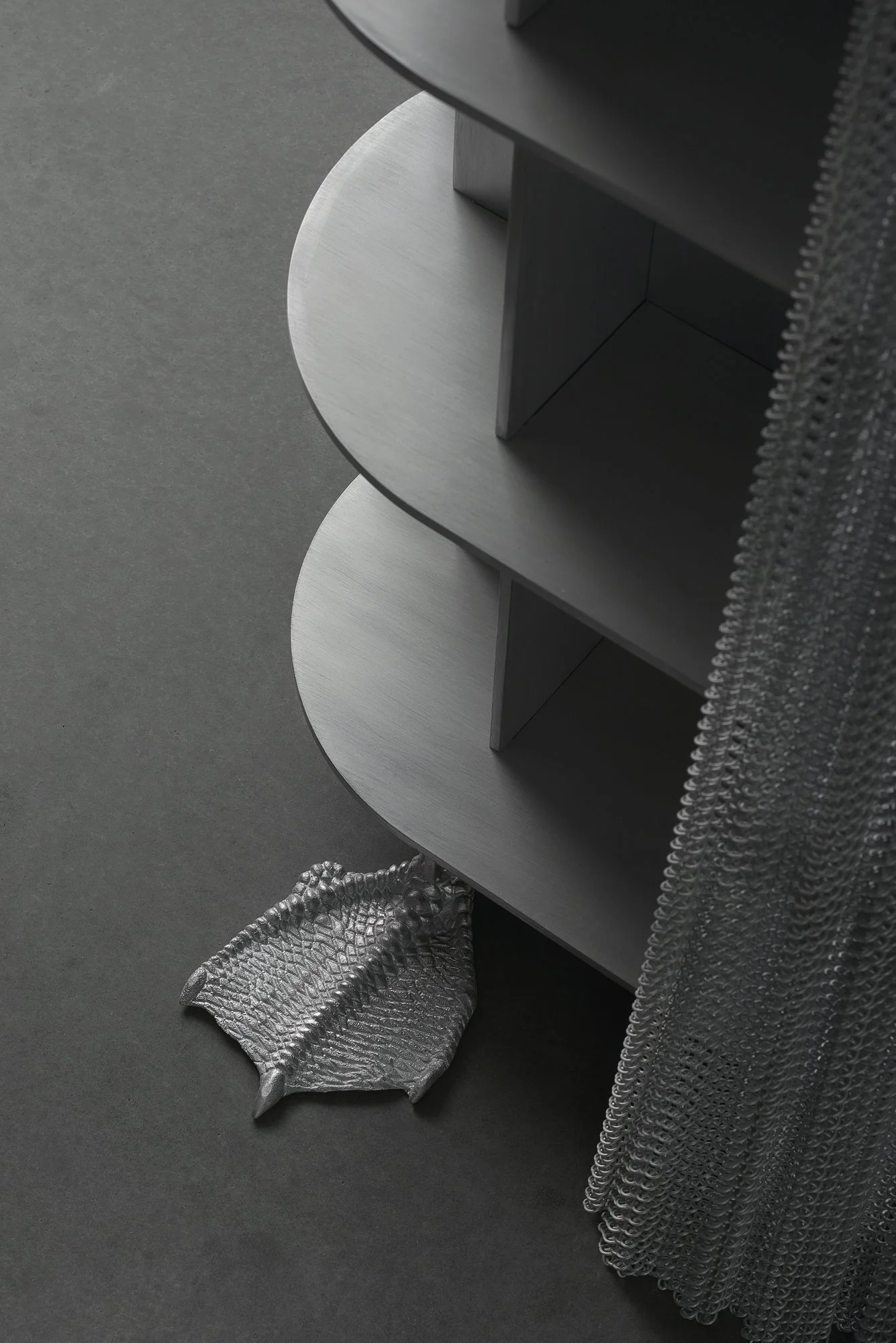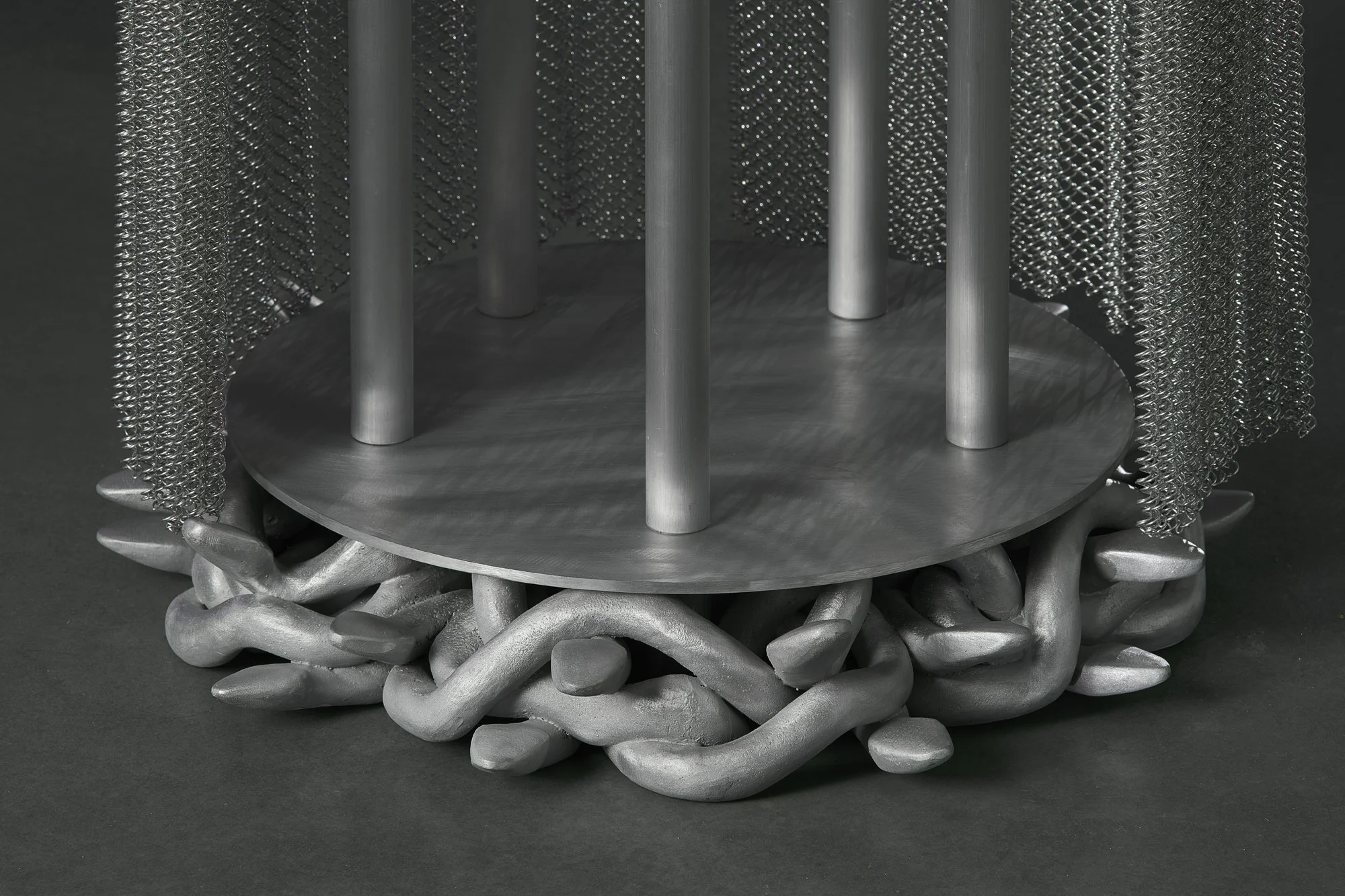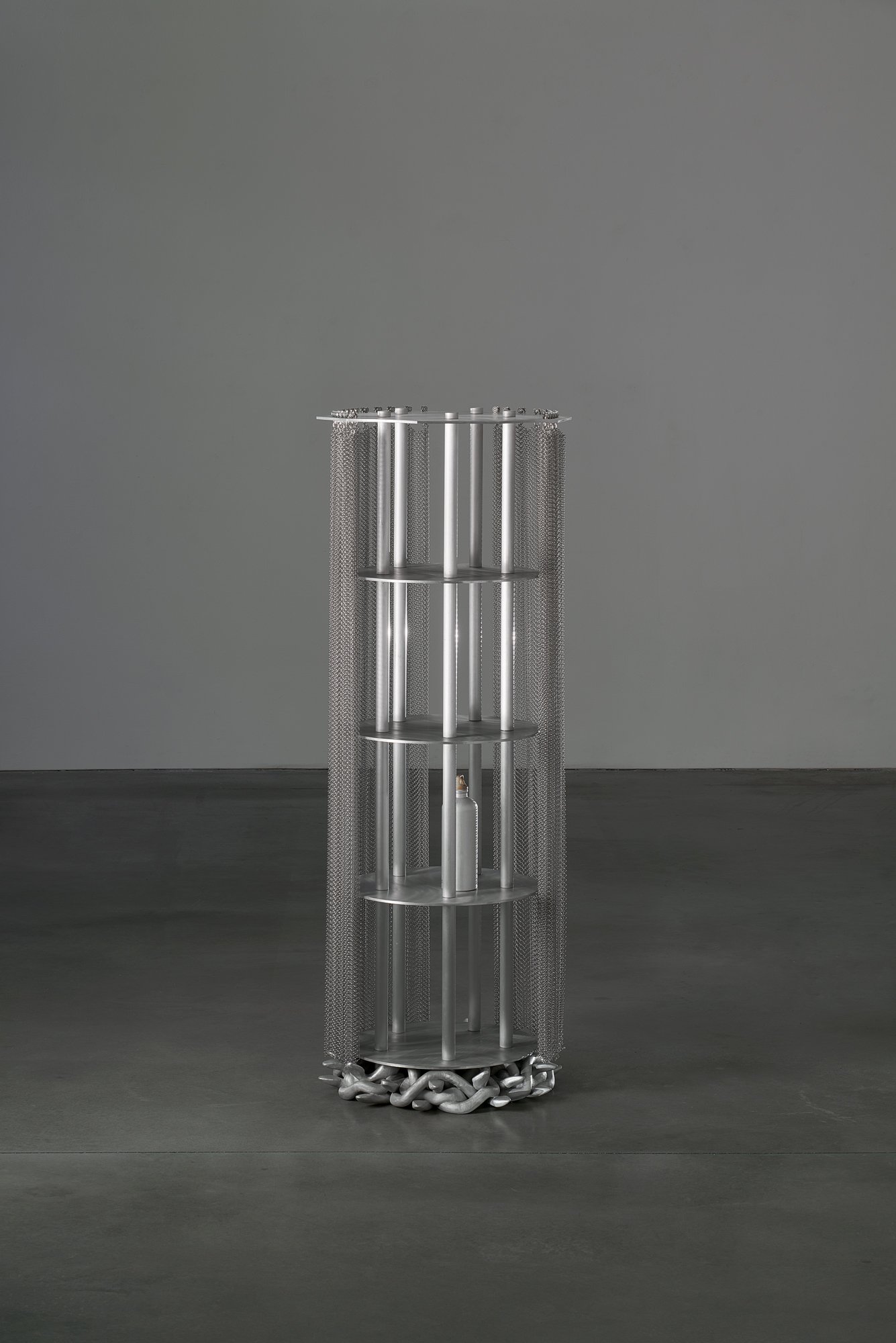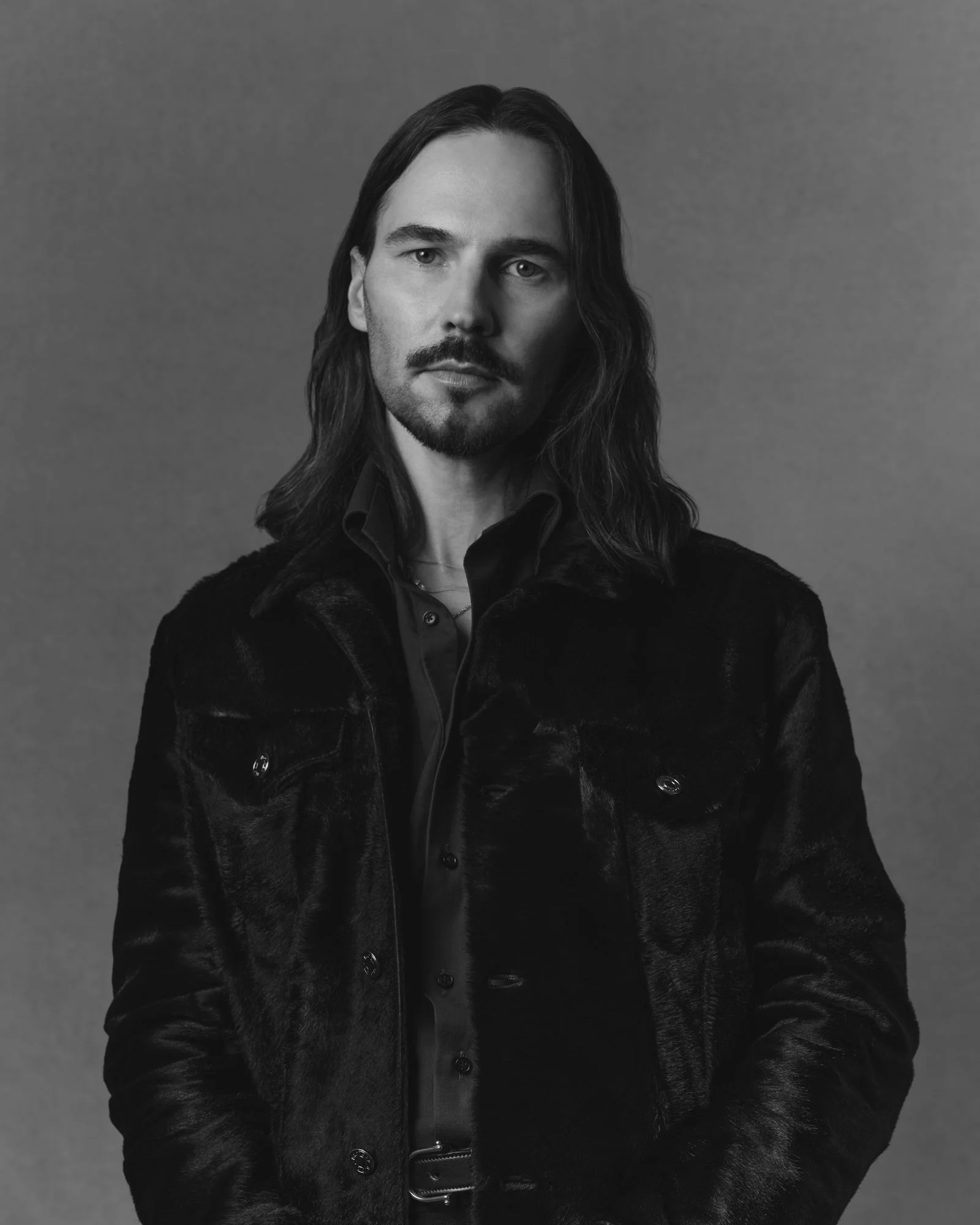
Mantas Lesauskas practice as a designer and researcher often revolves around stone, memory, and nonhuman material agencies. In Lanzarote, he aims to work directly with volcanic ash, experimenting with geopolymer concretes and composites, while also engaging in sensorial ethnographic field walks to attune to the island’s geology. This process will include visiting local volcanic rock carvers, learning from traditional craft, and developing a series of objects and vessels that embody Lanzarote’s volcanic identity. Casting with local ash is, for him, a way of reactivating the island’s geology as designed matter — a contemporary “artificial stone” that parallels ancient traditions of volcanic pozzolana in Roman concrete.
Alongside the material practice, he wants to situate this research in a broader cultural and ecological context. Food, gardens, and hospitality will form part of this exploration, understood not only as human culture but as more-than-human gatherings where geology, plants, and species meet.
In this sense, he also wishes to revisit the legacy of César Manrique, whose work embodied a unique dialogue between architecture and volcanic landscapes. Finally, his research will be tied to a reflection on the Devil as a cultural figure. In Lithuanian folklore, the Devil is bound to stones and everyday life, often entangled with money and trickery. In Lanzarote, this resonates with volcanic fire and the island’s transformation under tourism and capitalist economies. Following Donna Haraway’s notion of the Capitalocene, he will explore how money and exploitation are today’s devils, and how volcanic matter might help him imagine alternatives beyond them. Through material experimentation, field research, and design-making, he hopes to contribute to the residency by opening a dialogue between geology, culture, and myth — and by making pieces that embody this entanglement.